
When water collects inside your property, extraction removes the standing water so the condition of affected spaces and materials can be assessed.
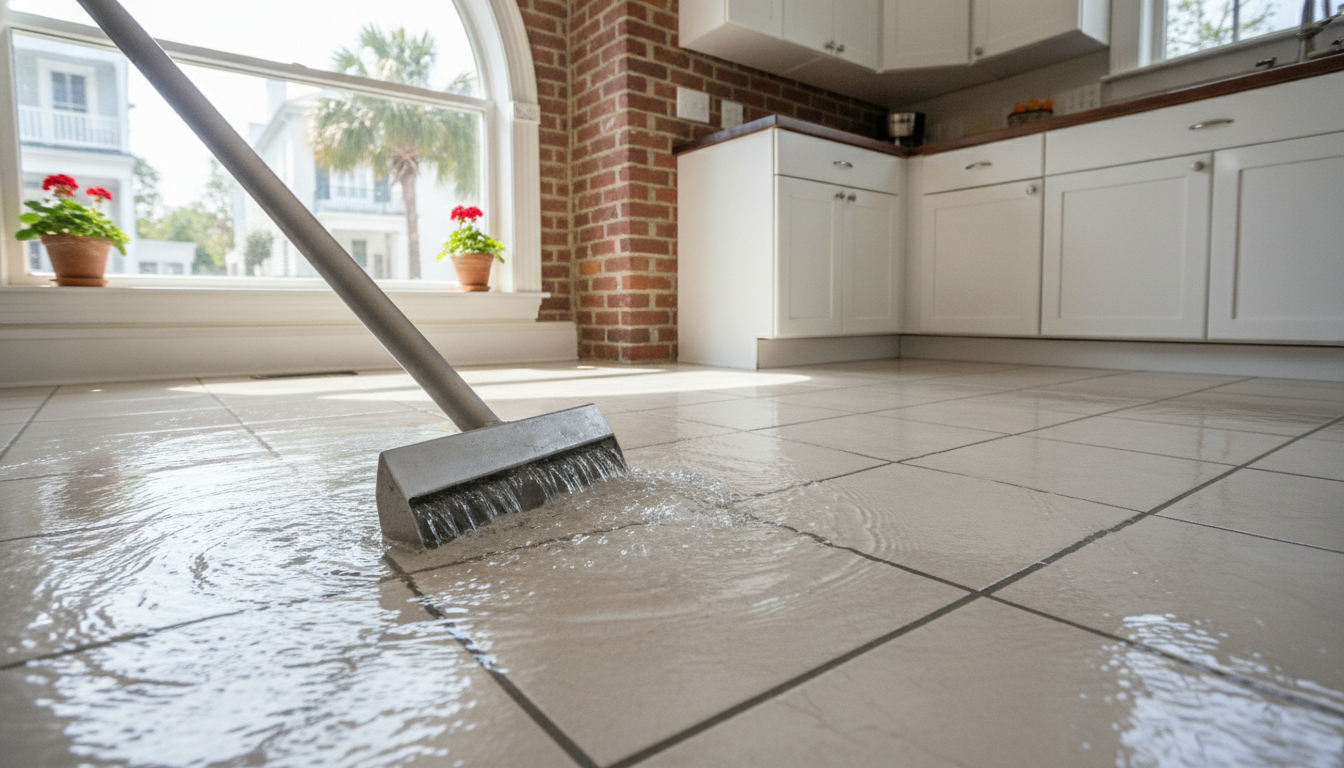
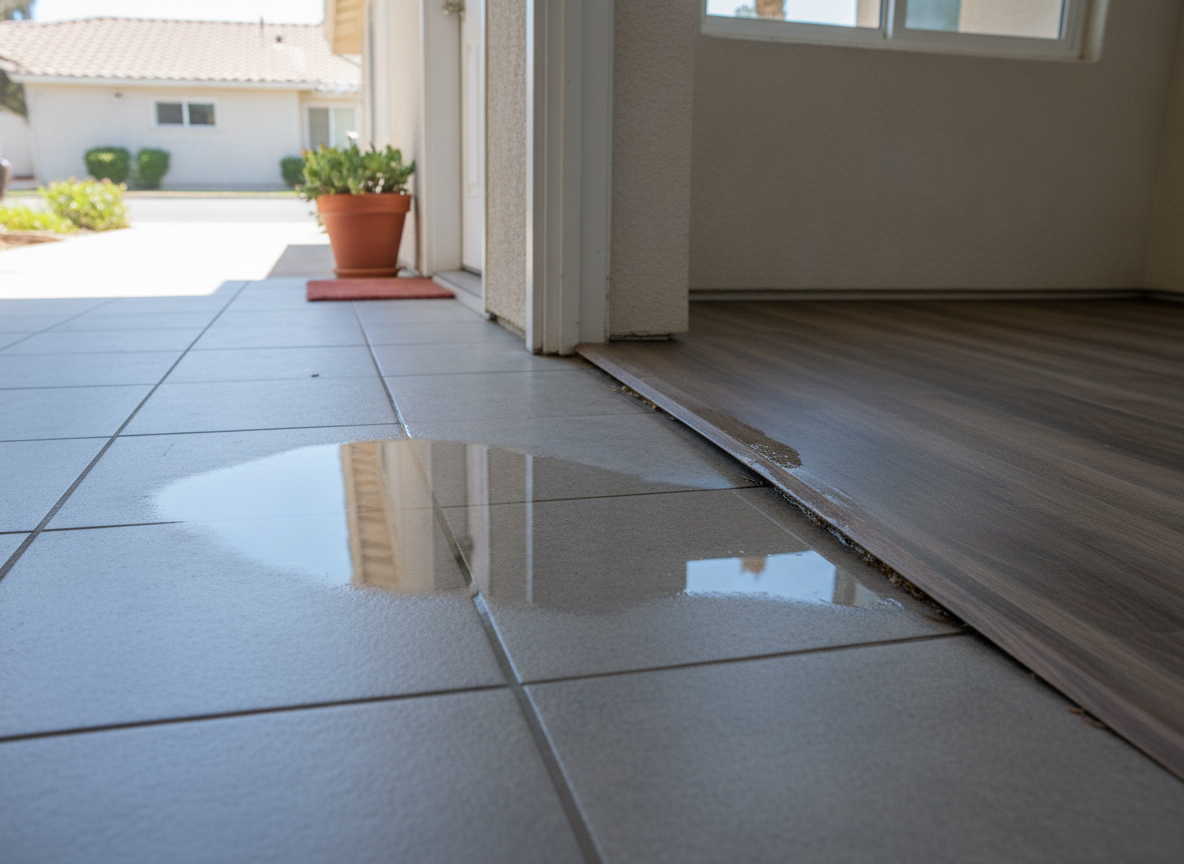
A puddle on a hard floor and water spread across several rooms present different challenges. The amount of water, where it has traveled, and the materials it has reached all affect the work involved. Water may collect in accessible areas or reach beneath flooring and into lower spaces.
Water extraction focuses on removing accumulated water rather than simply wiping visible surfaces. If water remains pooled, keeps returning, or has reached areas you cannot safely access, contacting a restoration business is a practical next step.
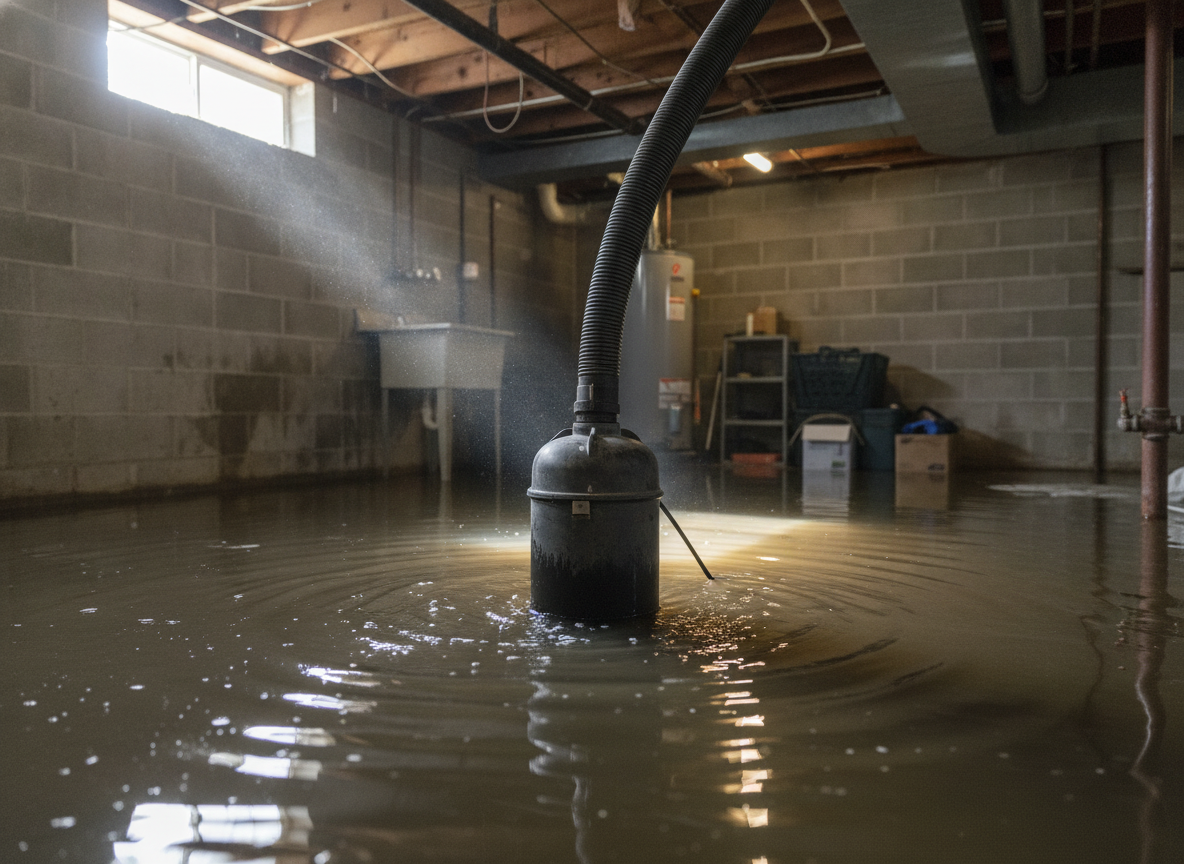
Extraction generally involves drawing or pumping water out of affected areas. The method depends on the depth and spread of the water, access to the space, and the surfaces involved. Removing a deep accumulation is a different task from recovering water held in carpet or other absorbent materials.
An area can look clear of standing water while still containing moisture. Extraction addresses the accumulated water; it does not, by itself, establish that flooring, walls, or other affected materials are dry. Understanding that distinction helps you ask about the condition of the property beyond what is visible.
Before entering a flooded area, consider whether electrical hazards or contaminated water could be present. Avoid contact when conditions may be unsafe, and do not assume that water is clean because it looks clear. The source of the water matters when deciding how an affected space should be handled.
Whether water is still entering also matters. Removing it without addressing an ongoing source can allow it to collect again. When you contact the business, explain where the water appeared, whether it is still coming in, and which rooms or levels are affected. Share what you know without entering an unsafe area to investigate.
A useful conversation starts with the location and approximate spread of the water. Mention visible pooling, affected floor coverings, and any difficulty reaching the space. Photographs may help you explain the situation, but only take them from a safe location.
Ask what the proposed extraction work includes, how the scope will be determined, and what conditions could change it. The visible size of a puddle alone cannot establish the full extent of affected materials. A clear scope helps distinguish the immediate removal work from any additional needs identified afterward.
SOS Restoration Of Ventura County provides water extraction for residential and commercial restoration needs. The business has a recorded rating of 5 from 55 reviews.
For your property, the important discussion is about the water that needs removing and the conditions surrounding it. Contact SOS Restoration Of Ventura County to discuss the affected space and ask about arranging water extraction.
The amount of water, accessibility, affected materials, and extent of the work can influence cost. Ask for pricing tied to the proposed scope and clarification of what is included before authorizing work.
The time depends on the volume and spread of water and how easily affected areas can be reached. Ask about the expected duration for your situation rather than relying on a general estimate.
No. Materials can retain moisture after standing water is removed. Ask how the condition of affected materials will be evaluated and whether further work may be needed.
Describe where the water is, whether it is still entering, and any known safety concerns. You do not need to determine the full extent yourself before making contact.
Call 805-427-9039 or use the contact form to describe the water at your property and discuss water extraction.