
When water leaves walls, floors, or other materials damaged, repair means addressing more than the marks you can see.
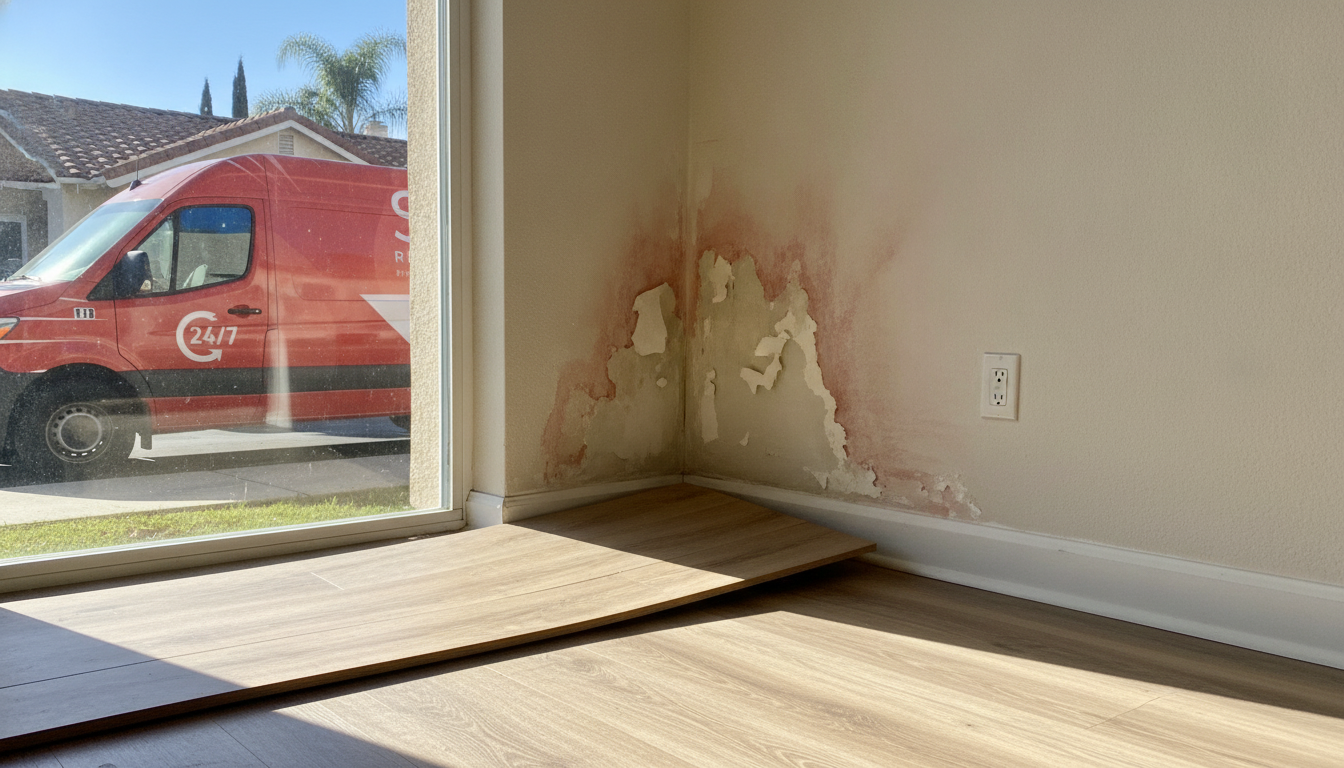
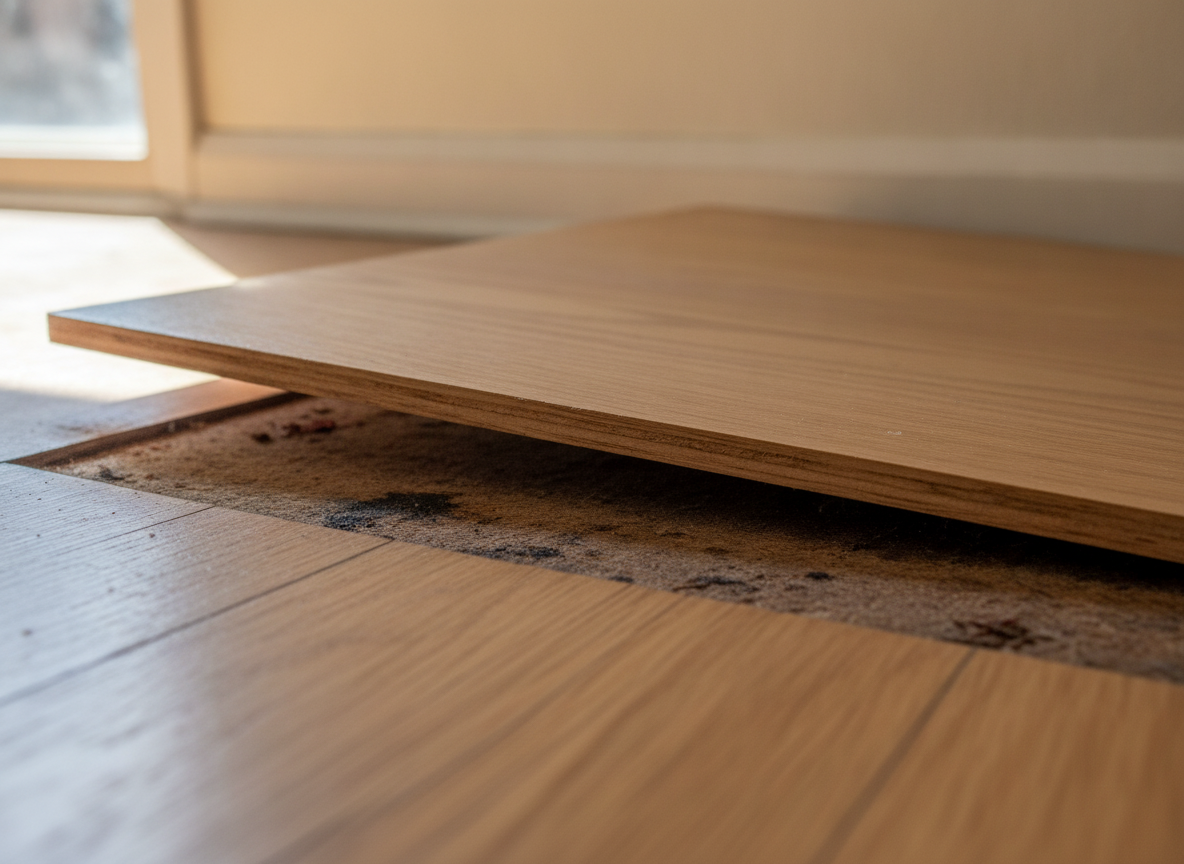
Water damage repair is for property owners dealing with the effects of unwanted water: stained finishes, swollen materials, lifting flooring, or surfaces that have softened or lost their shape. These signs can help identify a problem, but appearance alone does not establish how far moisture has spread.
A surface may feel dry while material behind or beneath it remains damp. Before deciding what to patch, refinish, or replace, the condition of the affected area matters. Covering a stain or painting over damage is not a substitute for addressing moisture and any material deterioration.
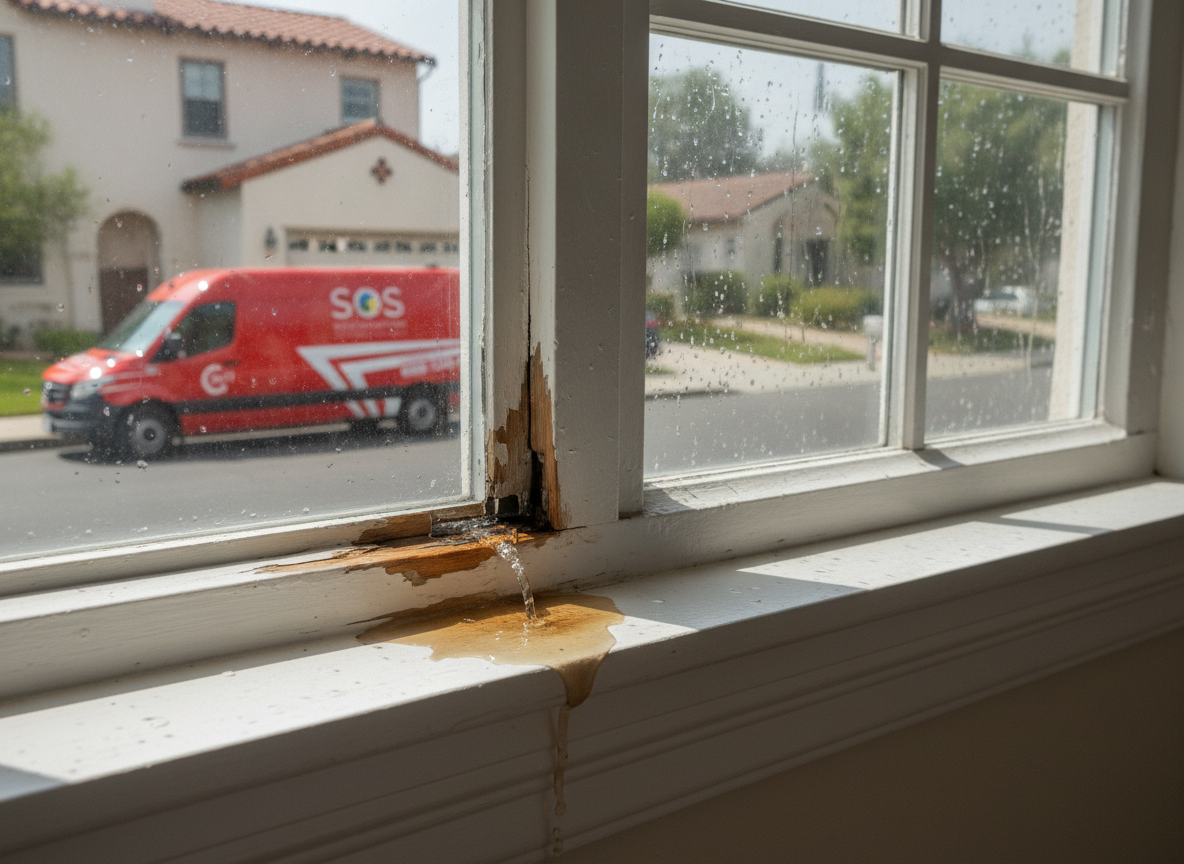
The amount of visible damage is only part of the picture. Water can move into adjoining materials, collect beneath flooring, or reach areas that are difficult to see. The source of the water, the materials involved, and how long they remained wet can all influence the work needed.
A repair plan should distinguish between materials that can remain and those that need replacement. It should also account for the source of the problem: repairing a finish without addressing continuing water entry can leave the property exposed to damage again.
Removing moisture and repairing damage are related, but they are not interchangeable. Drying addresses wet conditions; repair addresses the physical effects left behind. Some materials may remain usable after drying, while others may stay distorted, weakened, or unsuitable for refinishing.
Depending on the damage, work may involve removing affected material, preparing the remaining area, replacing damaged components, and restoring finishes. The appropriate sequence depends on the property’s condition—not simply on how quickly the visible marks can be covered. Rebuilding too early can conceal moisture rather than resolve the problem.
A small affected area and damage extending through several materials call for different repair plans. Access also matters: damage behind a wall or beneath a floor may require more work to reach than an exposed surface.
Before agreeing to work, ask which areas are included, what materials are expected to remain, and what would happen if additional damage becomes visible. A clear scope gives you a basis for discussing cost, timing, and the finished result. It also helps distinguish essential repairs from unrelated improvements you might choose to make separately.
SOS Restoration Of Ventura County provides water damage repair and serves both residential and commercial restoration needs. The business has a 5-star rating from 55 reviews—customer feedback you can consider when deciding whom to contact.
For your inquiry, describe where the damage appears, whether the area is still wet, and any changes you have noticed in the affected materials. Those details help frame a useful conversation about the repair needs at your property.
It can. Drying does not necessarily reverse swelling, separation, staining, or loss of material strength. Whether repair is needed depends on the condition of the materials, not just whether the surface feels dry.
The extent of the damage, the materials involved, access to affected areas, and any remaining moisture can influence the schedule. Ask for timing based on the proposed scope rather than assuming every water damage repair follows the same timetable.
Cost depends on how much work is needed and what must be repaired or replaced. Ask what the proposed price includes and how any additional damage discovered during the work would be handled.
First establish whether the moisture problem has been addressed and whether the underlying material is sound. Paint can change the appearance of a surface without correcting the damage beneath it.
Contact SOS Restoration Of Ventura County to discuss the damage at your home or commercial property. Call 805-427-9039 or use the contact form to start the conversation.