
When indoor air stays damp after a leak or flooding, dehumidification helps reduce the moisture that can keep your space feeling unsettled.
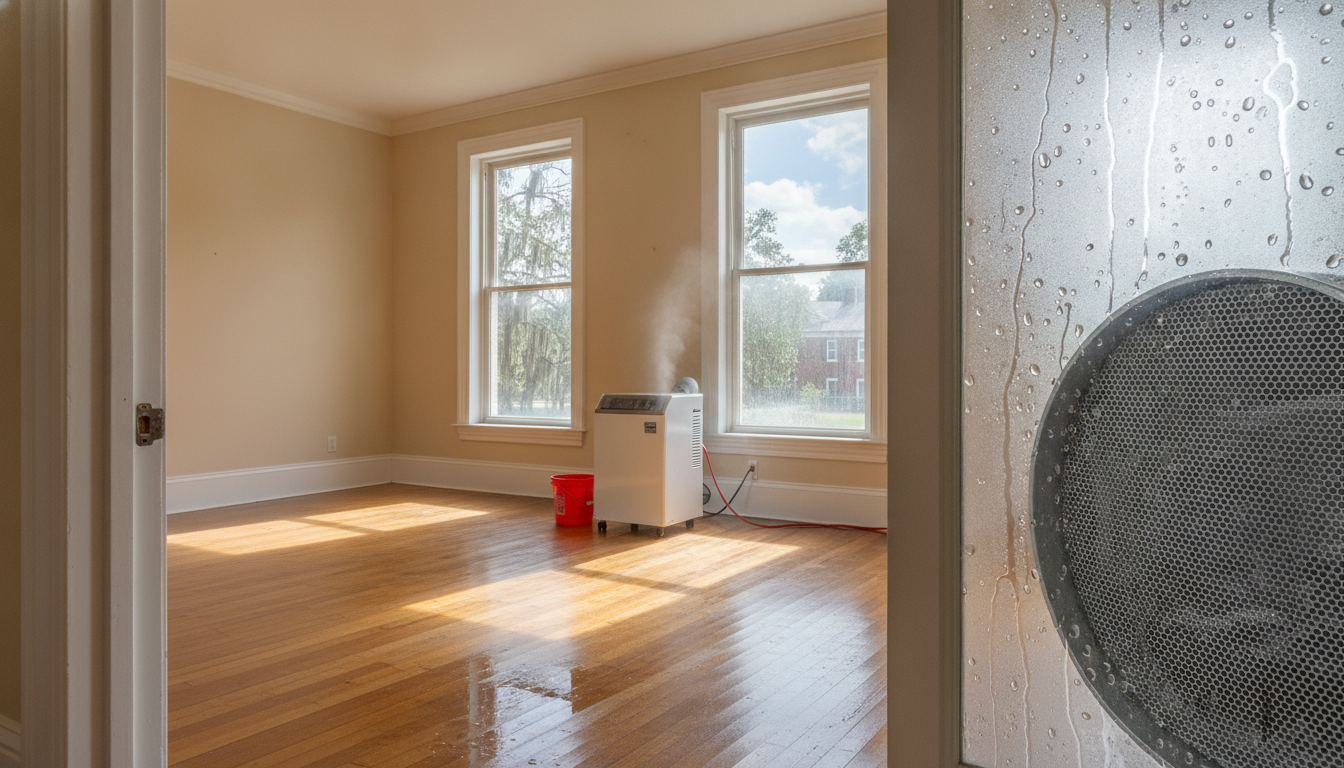
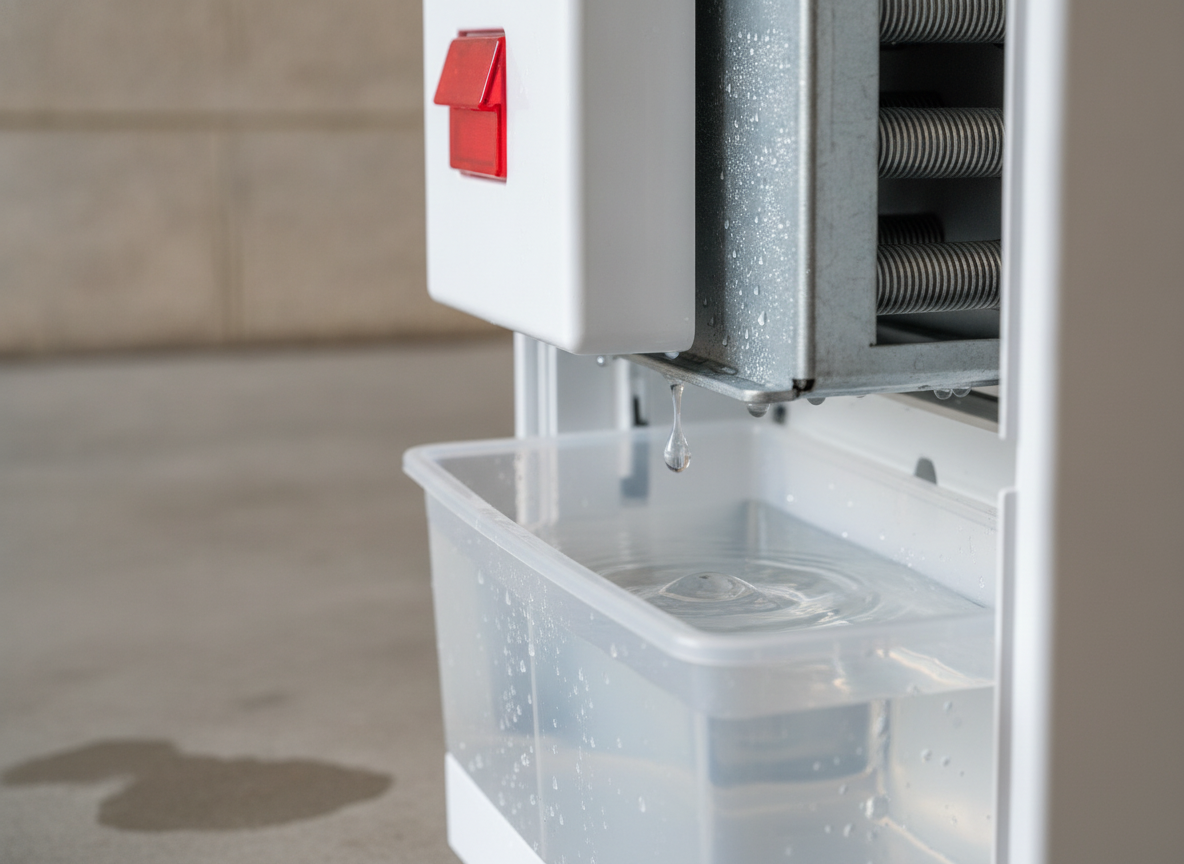
Visible water is only part of a moisture problem. After standing water is gone, moisture can remain in building materials and move into the surrounding air as those materials dry. That can leave a room feeling humid even when surfaces no longer look wet.
Dehumidification removes moisture from the air. In a damp building, it can support drying by helping maintain conditions that allow moisture to leave affected materials. The goal is more than making the air feel comfortable: it is addressing humidity as part of the wider moisture problem.
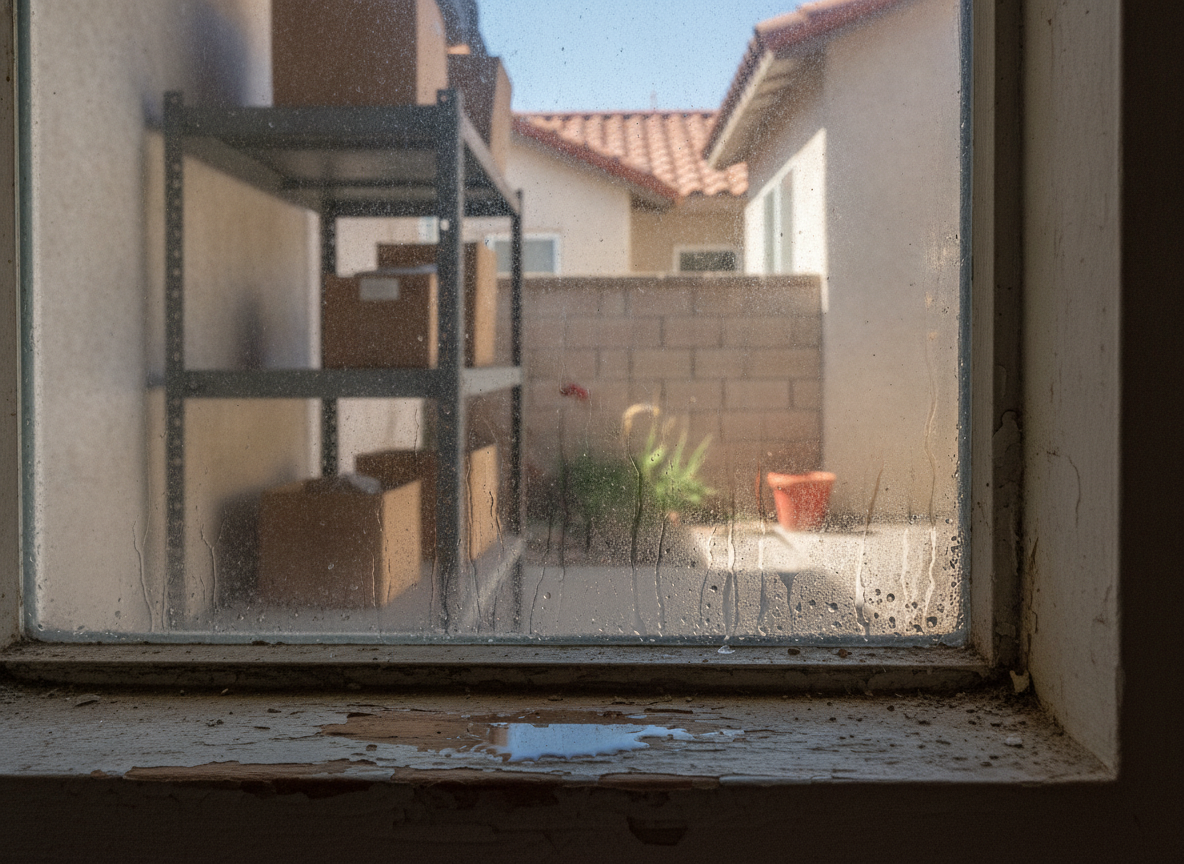
A musty smell, recurring condensation, or a space that continues to feel damp can be reasons to investigate moisture conditions. These signs do not establish the cause on their own, and a room that feels dry is not necessarily dry throughout.
Dehumidification may be relevant for homeowners dealing with damp living spaces and businesses managing moisture in occupied or unused areas. The important question is not simply whether the air feels humid, but where the moisture is coming from and whether it is still entering the space.
Dehumidification cannot repair a leak or stop water from entering a building. If the source remains active, removing moisture from the air may not resolve the underlying problem. Understanding the source helps distinguish an ongoing water issue from moisture left behind after an earlier event.
Ventilation, outdoor humidity, room size, temperature, and the materials affected can all influence drying conditions. Opening windows is not automatically helpful: when outdoor air is humid, it can introduce more moisture rather than reduce it.
Dehumidifiers draw moisture from the air, but equipment selection and placement matter. The amount of moisture present, the size and layout of the affected space, and the way air moves through it can influence what is appropriate.
During dehumidification work, moisture and humidity readings can help assess progress. A useful endpoint is based on conditions in the space and affected materials—not just how long equipment has been running or whether a surface feels dry to the touch. These are general considerations for the work; the requirements depend on the individual situation.
SOS Restoration Of Ventura County provides dehumidification for customers dealing with moisture concerns. The business has a 5-star rating from 55 reviews, giving you customer feedback to consider when deciding whom to contact.
When you get in touch, describe what happened, which spaces seem affected, and whether dampness is continuing or returning. Those details provide a useful starting point for discussing your dehumidification needs without assuming that every moisture problem calls for the same approach.
Duration depends on the amount of moisture, the materials involved, environmental conditions, and whether the moisture source has been addressed. A fixed number of days is not a reliable guide for every property.
The scope of the affected space and the drying requirements can influence cost. Contact SOS Restoration Of Ventura County to discuss your situation and request pricing for the work you need.
A household unit may help with everyday humidity, but moisture following water damage can involve more than damp air. The extent of the problem and moisture within materials matter when deciding whether that approach is sufficient.
A musty smell is a reason to investigate, not a diagnosis. Dehumidification may be relevant where excess humidity is present, but identifying the moisture source is important before deciding what work is needed.
Contact SOS Restoration Of Ventura County at 805-427-9039 or use the contact form to discuss the damp conditions in your property and ask about dehumidification.