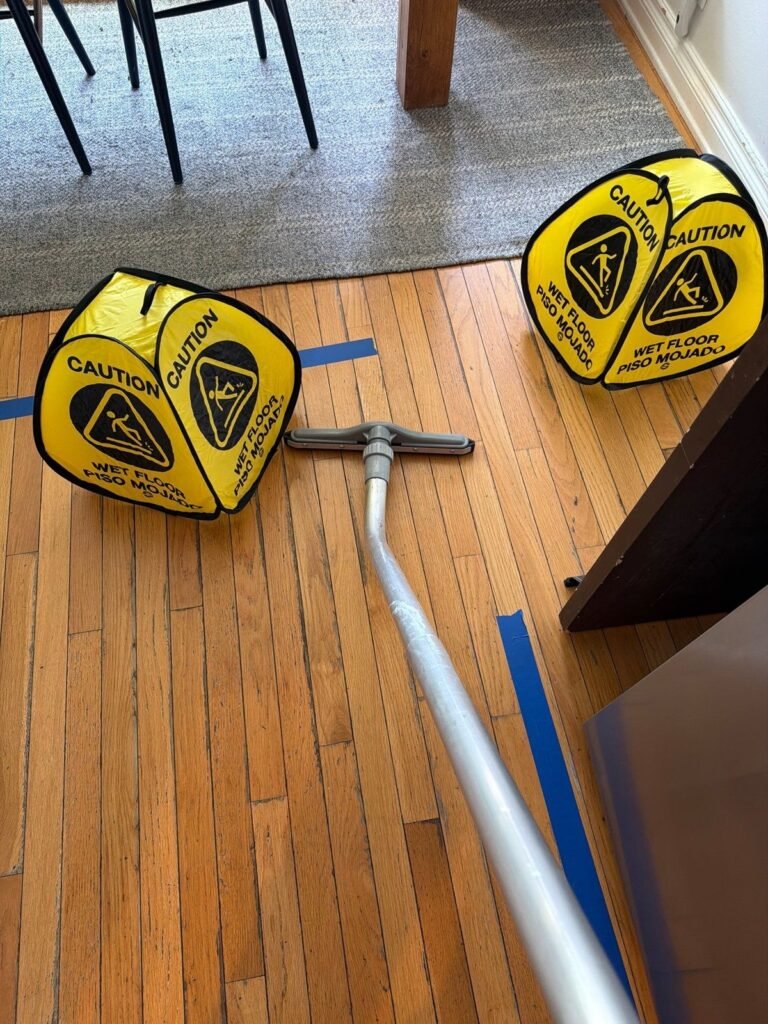
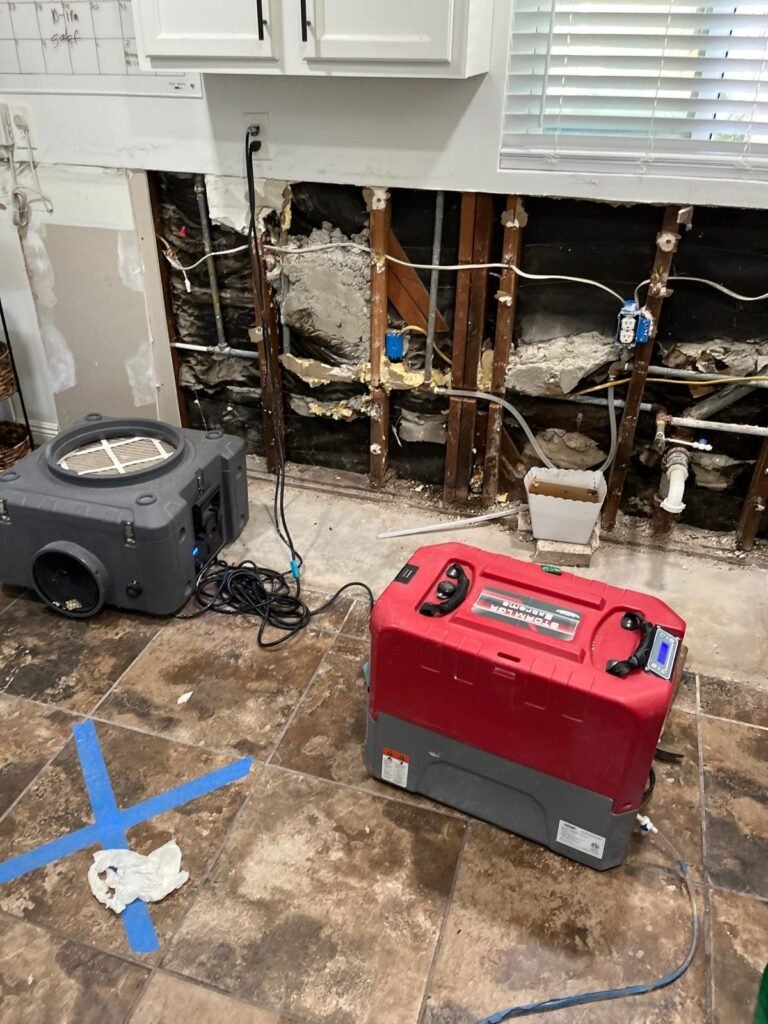
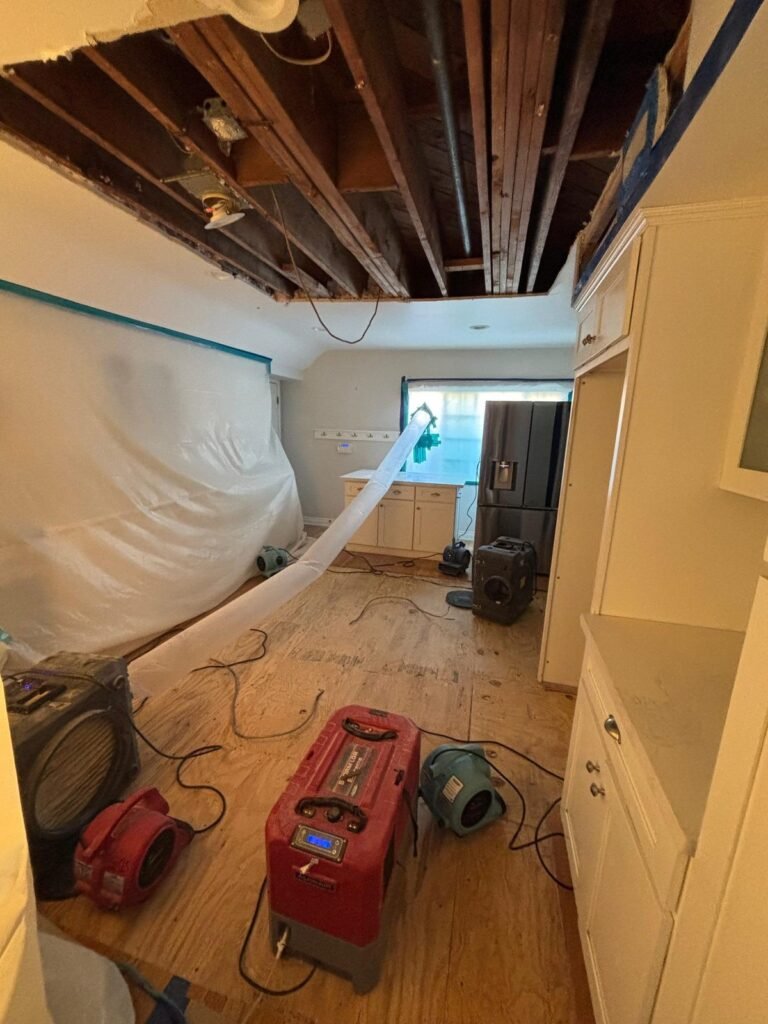
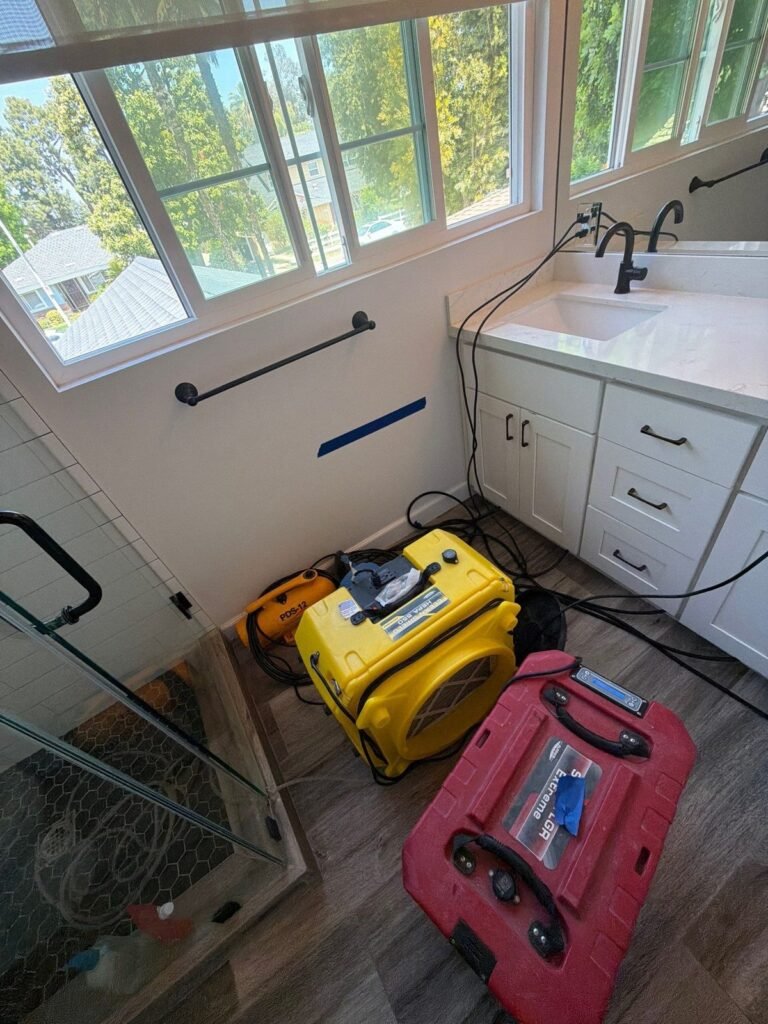
Six kinds of call come out of Moorpark to SOS Restoration of Ventura County: a wet slab, mold behind an eighties wall, smoke and soot after a fire, storm damage, a sewage backup, and the reconstruction after, all on one contract. Call (805) 427-9039 at any hour. Our dispatcher takes the street and the build year, and the nearest crew loads off that conversation.
Moorpark is a young town, and its losses follow from that rather than from anything anybody calls old-house trouble. Nearly every call here is a building failing from the inside out.
Because your neighbors are next.
Moorpark built 5,559 housing units between 1980 and 1989: 47 percent of the city inside one ten-year run. Only 2,505 units, 21.2 percent of the 11,796 counted, predate 1980, and just 857 go back before 1970. The county around you peaked a decade earlier, so the usual restoration script gets flipped here.
That decade synchronized the failures. A subdivision put up in one push carries one build year, one brand of angle stop under the sink, one water heater closet detail, one connector spec behind the washer. Those parts do not quit at random. They quit on a schedule, and the schedule belongs to the whole cul-de-sac.
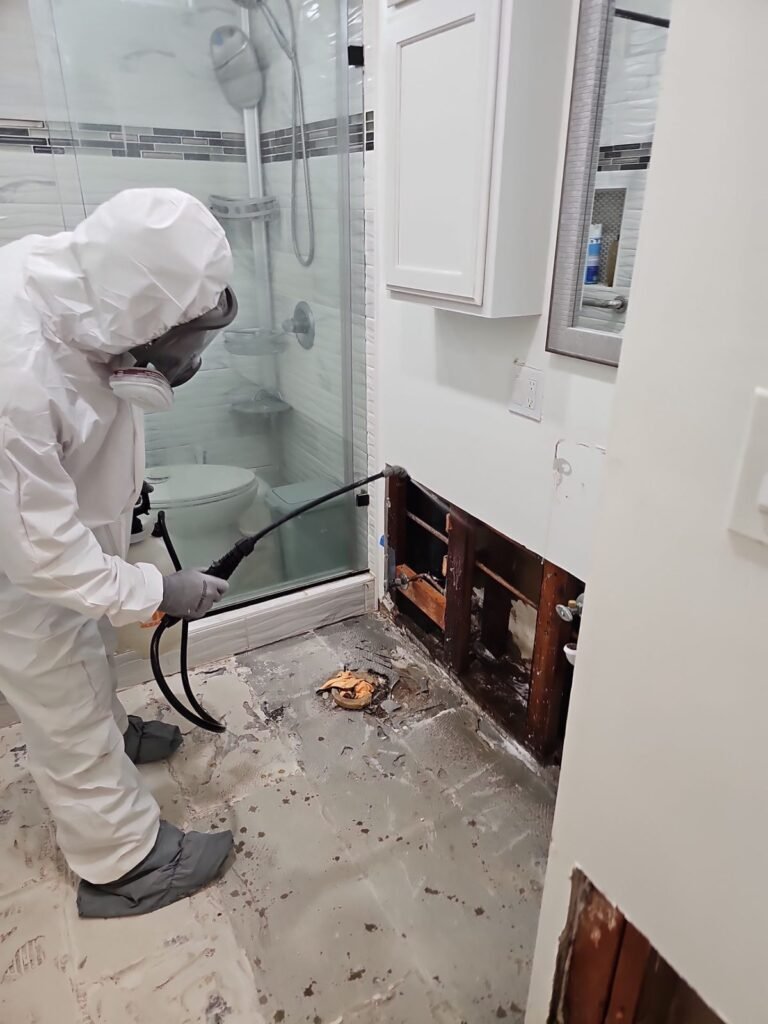
The older fifth of town is a separate problem, and it does not sit evenly on the map: the city’s housing element puts it in Downtown and Virginia Colony, two named neighborhoods with lower median incomes and, north of the 118, heavy overcrowding. Villa Campesina, 62 units built in 1989 as farmworker housing, sits in the same maintenance conversation. Nothing gets opened up in a house of that vintage until a sample has been to the lab, and what has to be tested first covers why.
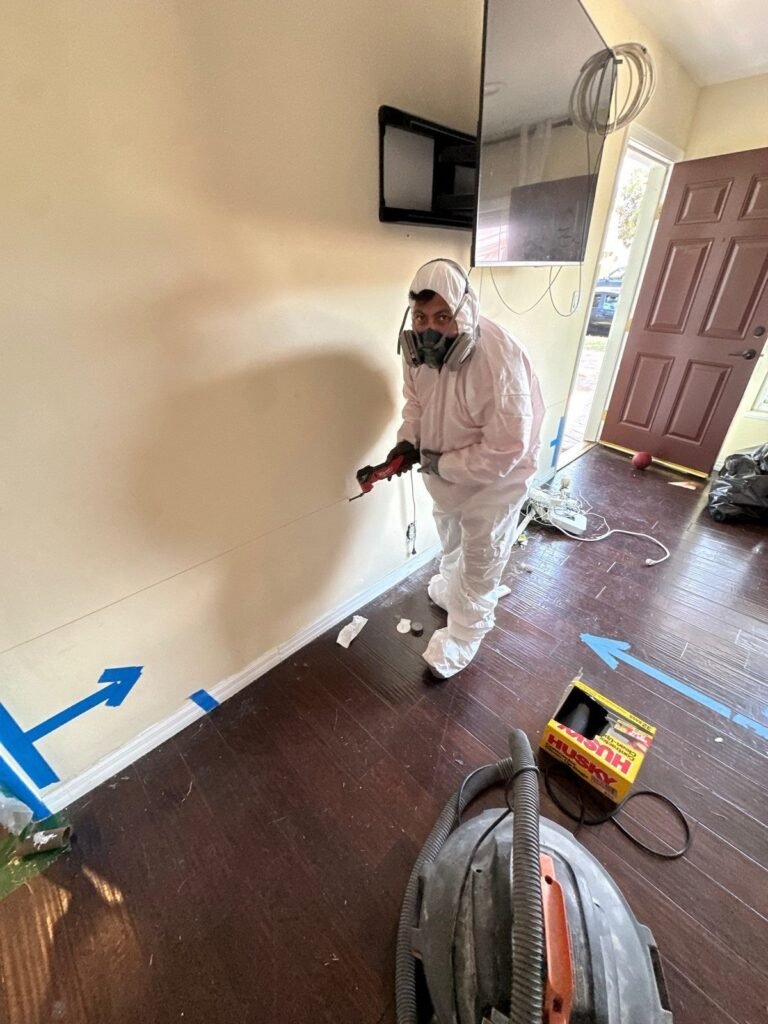
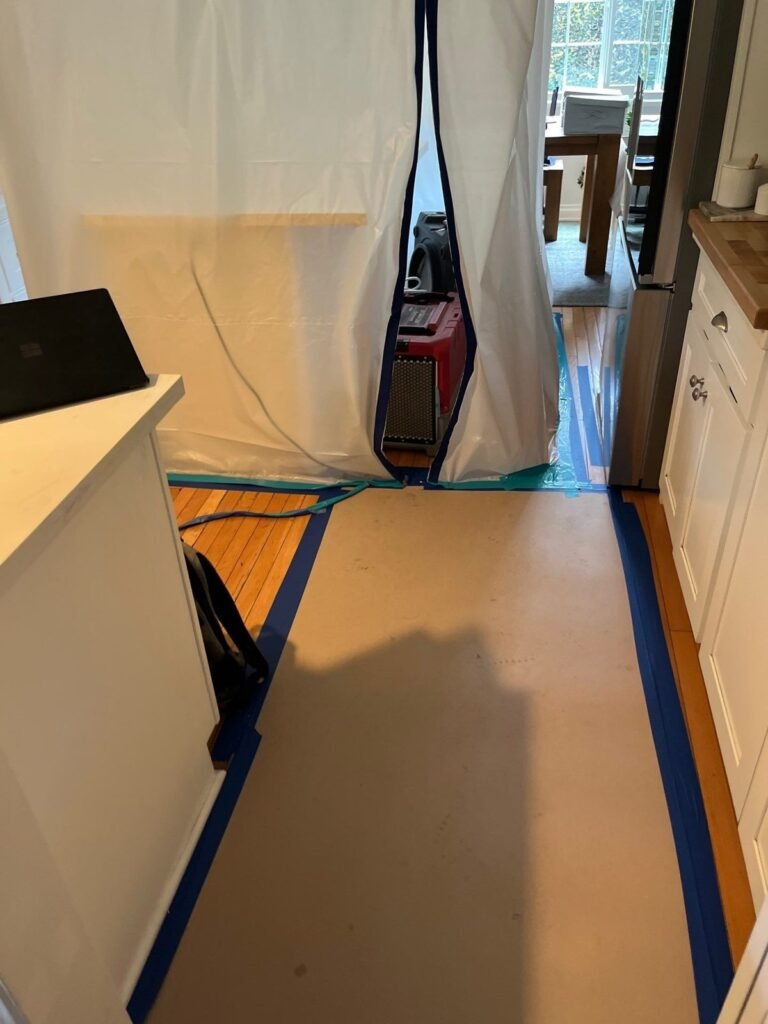
So the first question on the phone is the build year, and the second is what broke. The rest runs the same way every time, and the whole drying process sits elsewhere on this site. Right now all you need is this: the first visit costs nothing. Our nearest crew drives out, puts the meter into the framing and the board, and reads you the actual numbers instead of an opinion about what looks damp. Nothing gets invoiced for that, and nothing gets signed.
Moorpark does not run its own water, which surprises people who have lived here twenty years.
Ventura County Waterworks District No. 1 has done it since 1921, and the city is only 38 percent of that district’s service area; the rest is unincorporated ground pressed against the city limits. Behind your faucet sits 11,426 connections, roughly 175 miles of main from four to twenty inches, 19 reservoirs, 10 pump stations, 15 pressure-reducing stations and four active wells, about three quarters of it imported through Calleguas Municipal Water District and the rest pulled from East Las Posas groundwater.
That changes who you wake up. Water surfacing in the parkway, at the meter box or out in the street belongs to the district, reachable at 805-378-3000 for Ventura County Waterworks District No. 1. Everything from the meter inward is yours, and that is where nearly all of our work lives.
Almost certainly, and Moorpark is an outlier even inside this county.
The State Fire Marshal’s map issued in 2025 places 6,376 acres of the city in Very High, plus 617 in High and 409 in Moderate. Against roughly 7,857 acres of land, Very High covers about 81 percent of Moorpark, 625 acres more than the 5,751 the 2011 maps carried. Counted as buildings, the county hazard mitigation plan finds 5,061 Moorpark dwellings inside Very High, or 51.8 percent of the city’s 9,769 homes. The same state table gives Camarillo 1,871 acres, about 15 percent of its territory.
This stopped being advisory in 2025. The Ventura County Fire Protection District board adopted Ordinance 33 in 2025, writing those zones into local law under Government Code section 51179. That reaches the materials on a rebuild, because Chapter 7A wildland-urban interface rules govern vents, eaves, exterior wall covering and glazing. Moorpark keeps no fire department of its own, so that review runs through the Ventura County Fire Department at 805-389-9738.
Smoke is the other half of a fire year, and it is one of the six things we do: it rides into a closed house through the return, settles into textiles, and returns as odor every time the heat runs. Burned ground moves too. Early in 2024 the weather service logged flash flooding and debris flows on Balcom Canyon Road. Nine months later the Mountain Fire ignited on that same road.
Probably not, and Moorpark is the extreme case of that in this county.
The FEMA 100-year floodplain inside the city covers 522 acres, about 6.6 percent of it, holding 229 structures, of which 186 are homes, and 691 residents, 1.9 percent of the population. Lay the two hazard maps over each other and a Moorpark home is roughly twenty-seven times likelier to sit in a Very High fire zone than in that floodplain.
The claim record says it louder. Moorpark joined the national flood insurance program in 1986 and, over the 43 years to 2021, recorded two paid claims. Two. Simi Valley logged 82 in that window, Santa Paula 63, Ojai 43, Fillmore 37, the unincorporated county 724. So when a ceiling drips in a winter storm here, the odds say the building failed and not the watershed, which puts the homeowners policy in play instead of flood coverage.
The two channels that do shape the local map carry names and file numbers. The Arroyo Simi arrives from upstream as part of the Calleguas Creek mainstem, 37 miles of channel draining 310 square miles across three city limits; the Walnut Canyon Drain is ours alone. The city publishes a Letter of Map Revision for each, case 10-09-2904P and case 12-09-0985P, and both pulled properties out of mandatory insurance. Now the honest part: the city does not publish their effective dates or the resulting zone letters. If a lender wants those, ask the City of Moorpark at 805-517-6240 or the FEMA Map Service Center.
Drywall is not one of them.
Moorpark publishes an actual table of work exempt from a building permit, code citations attached, which most cities around here do not, so what skips the counter is checkable rather than arguable. The interior finish exemption is strictly cosmetic: paint, refacing or replacing cabinets so long as no plumbing or electrical moves, countertops, decorative tile, and floor finishes. Hanging new board across a cavity that was opened to dry it, and packing insulation in behind it, appears nowhere on that list. Ignore the ten-square-yards figure circulating online; no city in Ventura County publishes it.
Two neighbors of that rule matter after a loss. Plumbing is exempt for stopping a leak, clearing a stoppage, and pulling and resetting a toilet, but not for replacing or relocating concealed pipe or valves. Roofing is exempt below 25 percent of the existing roof area, provided nothing structural is touched and it happens no more than once in twelve months. That 25 percent is Moorpark’s own line and it does not travel: the same repair in Simi Valley trips a permit at 10 percent, and in Ojai past 10 percent forces the whole roof back as a Class A assembly.
The city attaches a warning to that table, and it lands harder here than anywhere else: exemption from a building permit does not exempt the project from zoning, other ordinances, or High Fire Zone restrictions. In a city that is four fifths Very High, that sentence is doing real work. Your counterpart is the City of Moorpark Community Development Department, Building and Safety Division, which runs through contract services by Charles Abbott Associates, so the person marking up your plans is contracted rather than career city staff. The City of Moorpark permit counter is 805-517-6272; inspections are 805-517-6274.
Ten working days for the first plan check, five for a resubmittal.
Those two numbers, and only those two, appear in the Building and Safety plan check handout revised in 2025. They are review clocks, not the length of your project, and they exclude your designer’s correction time and the outside reviews.
What Moorpark does not publish is worth more to you than what it does. No turnaround is published for issuing the permit once plans clear, and none for landing an inspection. Those two numbers do not exist, so anyone quoting them is guessing out loud.
Two sequencing traps break schedules. Planning approval comes first, since Moorpark Planning at 805-517-6230 signs off before Building and Safety will take a set into plan check, and the wrong order gets the submittal handed back. And submittal is electronic only, because physical plans are no longer accepted. If somebody mentions the same-day SPARK program, that covers commercial and industrial tenant improvements, not houses.
One caution before anybody letters a code year onto your drawings. Moorpark’s Building and Safety page says plans get checked against the 2025 California codes, while the city’s own exempt-work table still cites the 2022 editions. Two city pages that contradict each other. Confirm it with the Moorpark Building Official at 805-517-6276.
The reconstruction half is ours as well, drawn to the 94 mph wind and Risk Category II criteria the city prints on that handout. Construction sits under CSLB #1131134, mitigation under IICRC #70194273. The rebuild reaches you as a single written total, settled before demolition starts, because Business and Professions Code section 7159 in California obliges a home improvement contract to name its price. Rebuilding by the hour is not a contract in this state.
A room you can live in without thinking about us, and a folder you did not have to build.
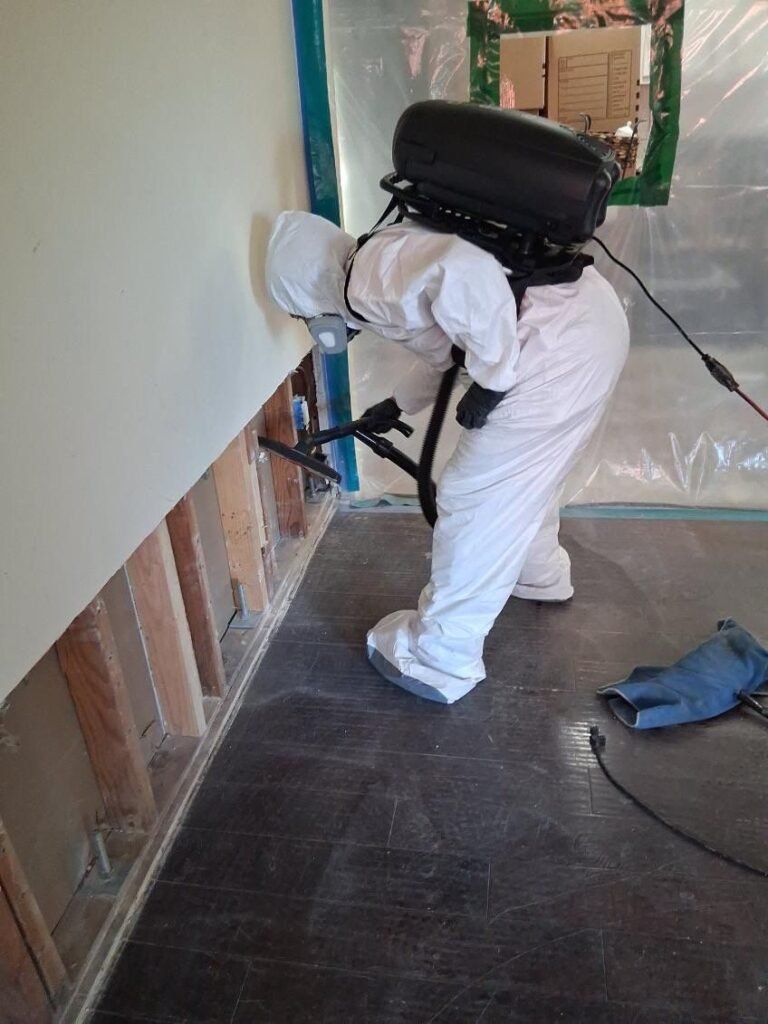
Finished means board hung and taped, texture matched to the walls it meets, paint on, base and casing reset, flooring carried through the doorway without a seam. Then we walk it with you, pull the plastic and go.
Past that line sits everything the loss did not cause. Nobody watches a wall come open without picturing a wider one into the family room, and in a town of eighties floor plans that thought arrives early. Fair thought, separate job: its own drawing, its own written price, kept clear of the restoration scope.
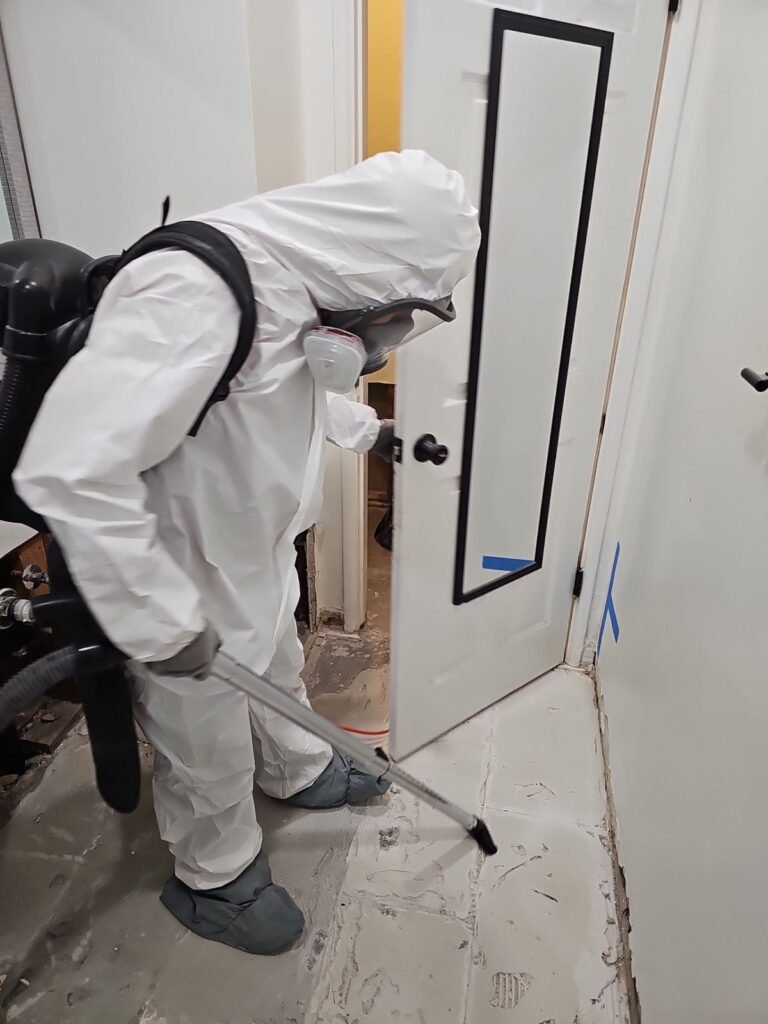
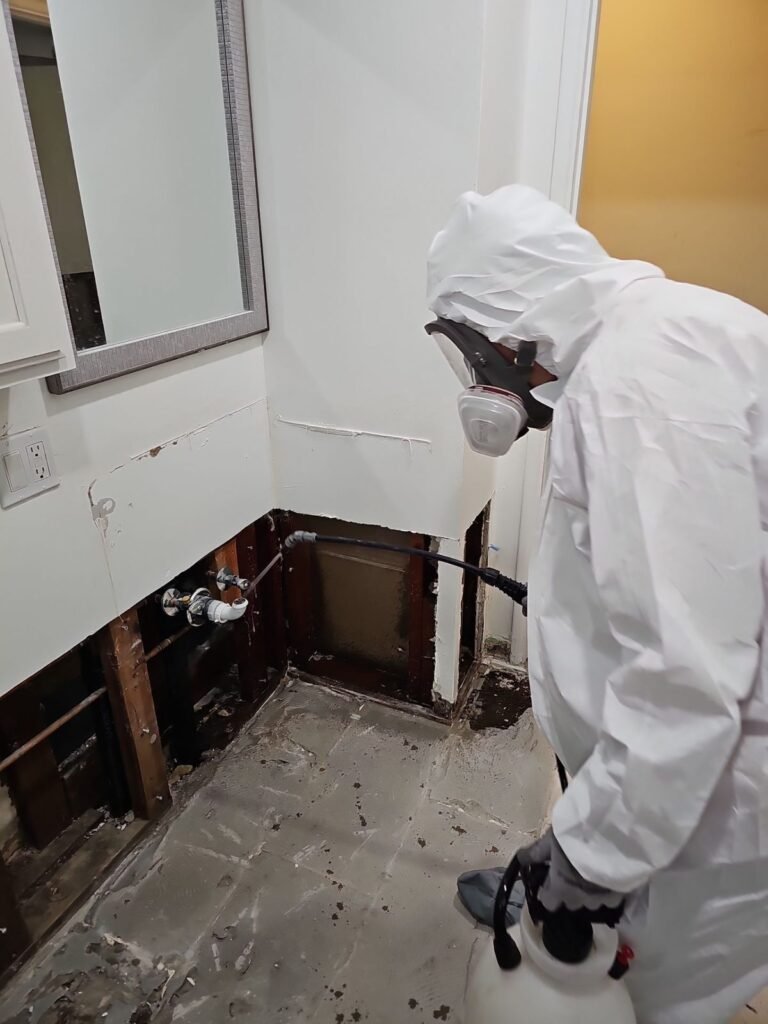
Two more things belong to other people. Whatever goes to a laboratory, the asbestos sample before demolition or an air cassette after mold work, comes back over that lab’s signature, and we work to what it says. And what a policy pays gets settled inside your insurance company by people none of us meet. Our contribution is the record: dated readings, photographs taken before anything moved, an itemized account of what came out and what went back. That folder is what your insurer’s people work from when they put a number on your loss, and it is hard to argue with. It is still not the hand that signs the check.
Prefer typing to talking? Our contact page reaches the same crew. Give us the street and the build year, and we will know most of what waits inside before our nearest crew turns onto your block.
Between Simi Valley and Camarillo, where the Arroyo Las Posas comes through. Small enough that the building counter knows the addresses, big enough to have every kind of housing.

Your phone number is the only thing we really need. Everything else just helps us send the right crew with the right equipment.
Call (805) 427-9039 whatever the hour and tell our dispatcher which corner of Moorpark the water reached. The job ends with a meter reading dry on the wall that was opened on purpose, the district’s name on the right side of the paperwork, and a house that goes back to being the boring one on the street.