Simi Valley water damage restoration slab leaks, burn scars
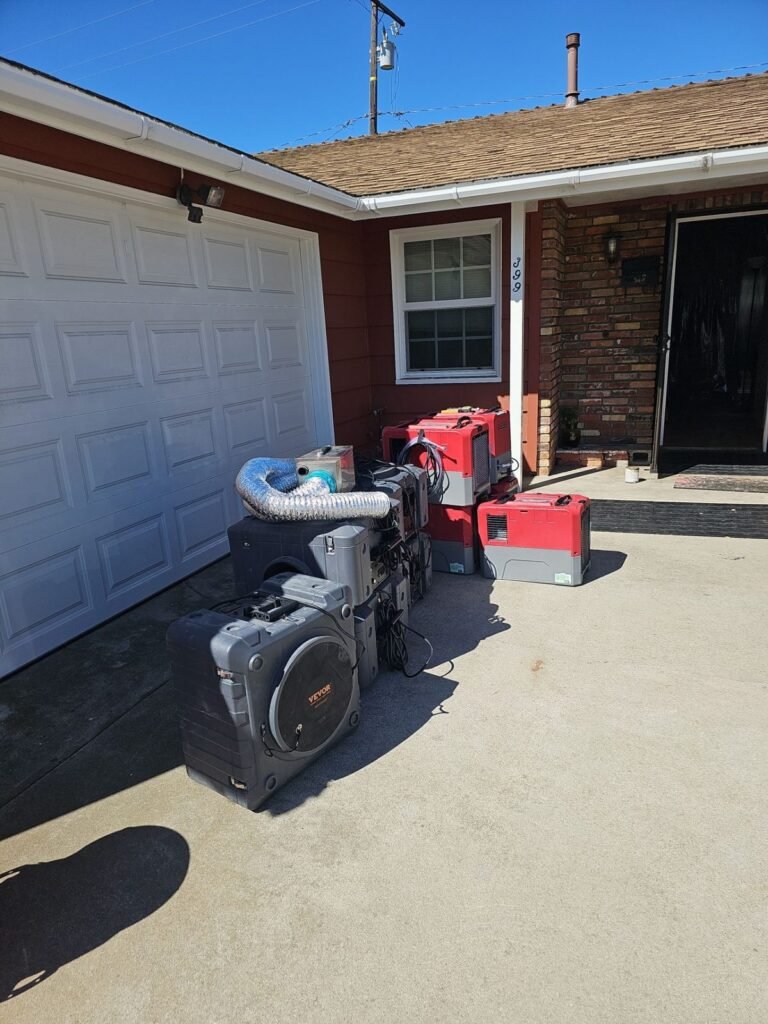
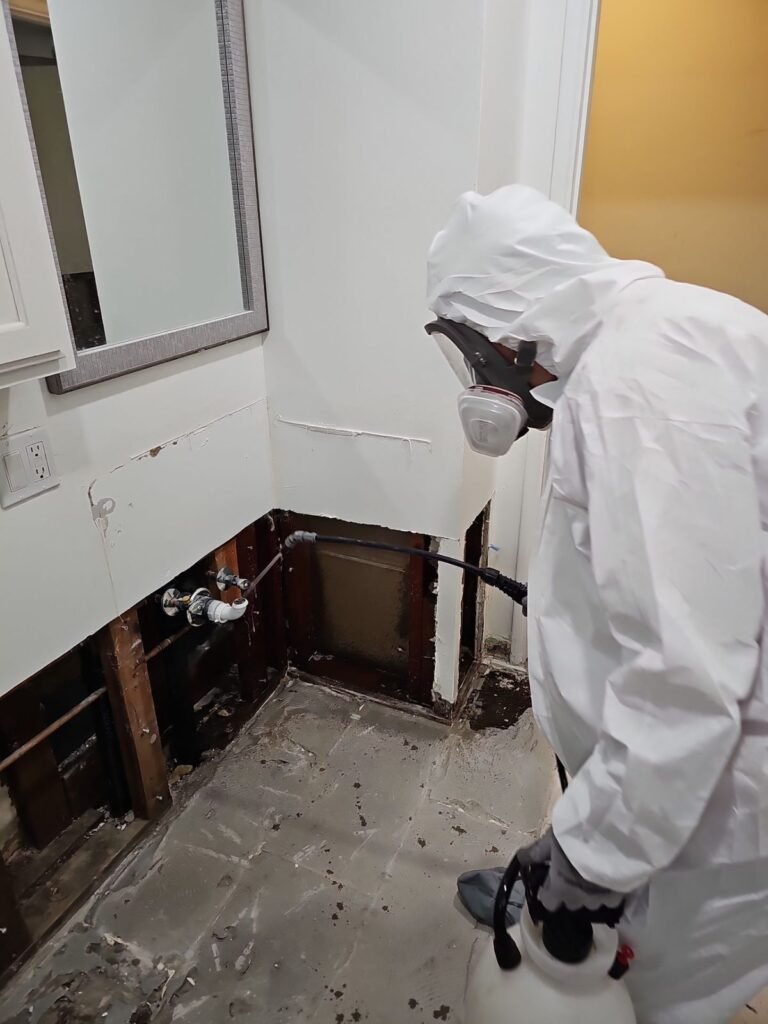
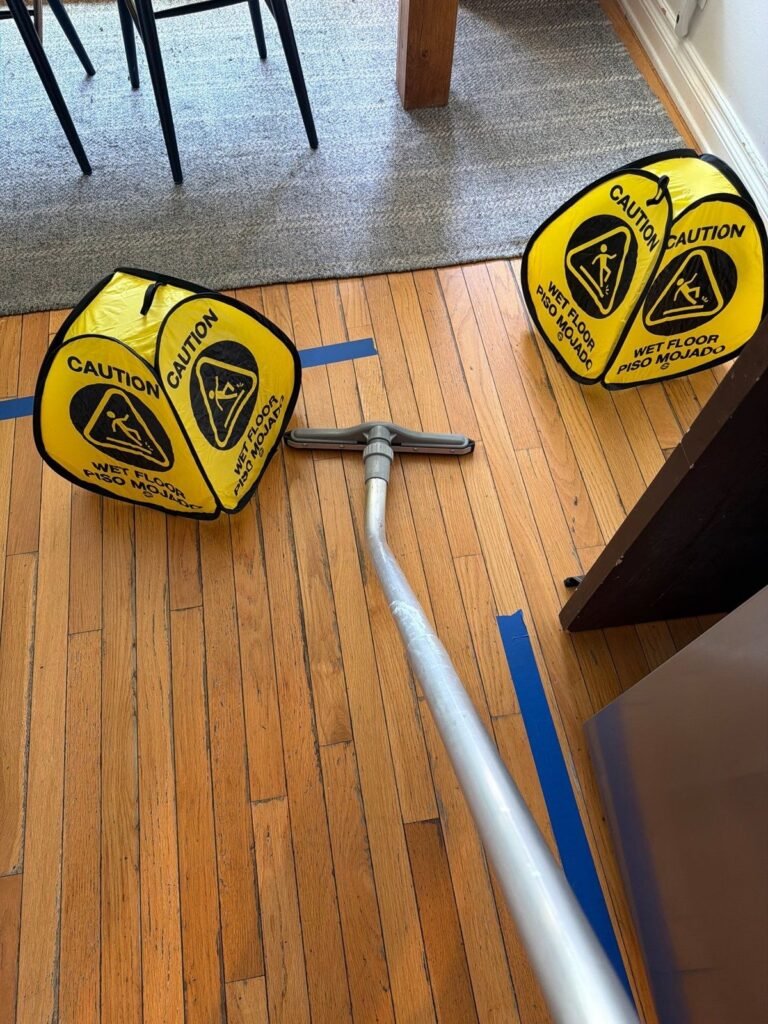
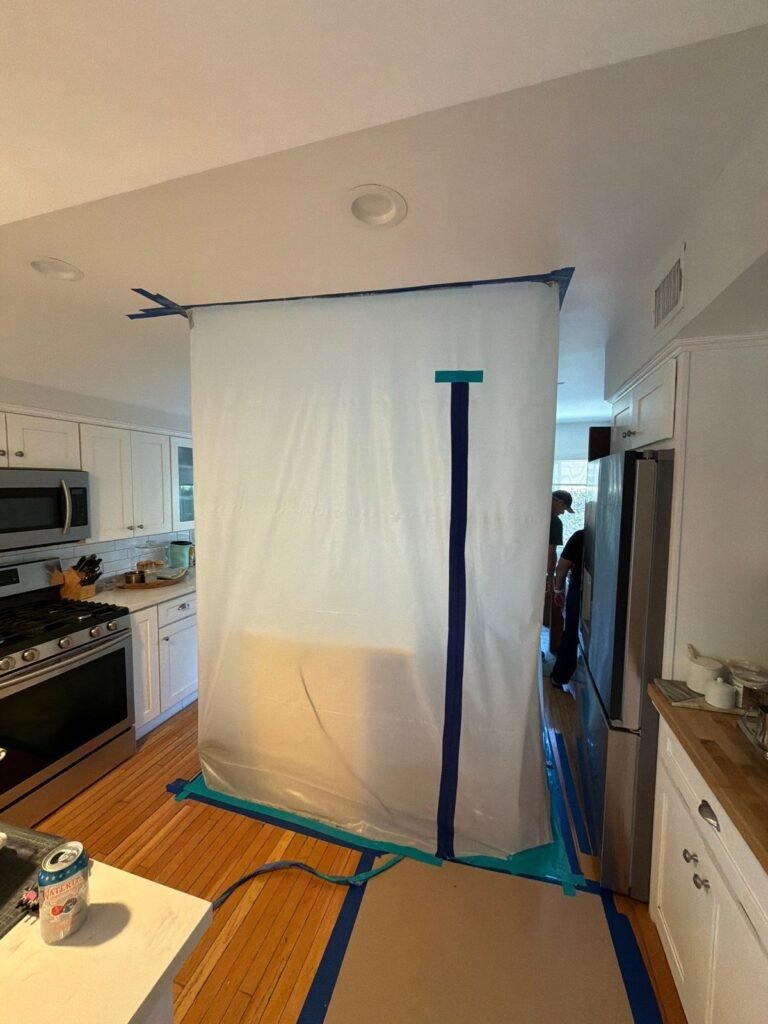
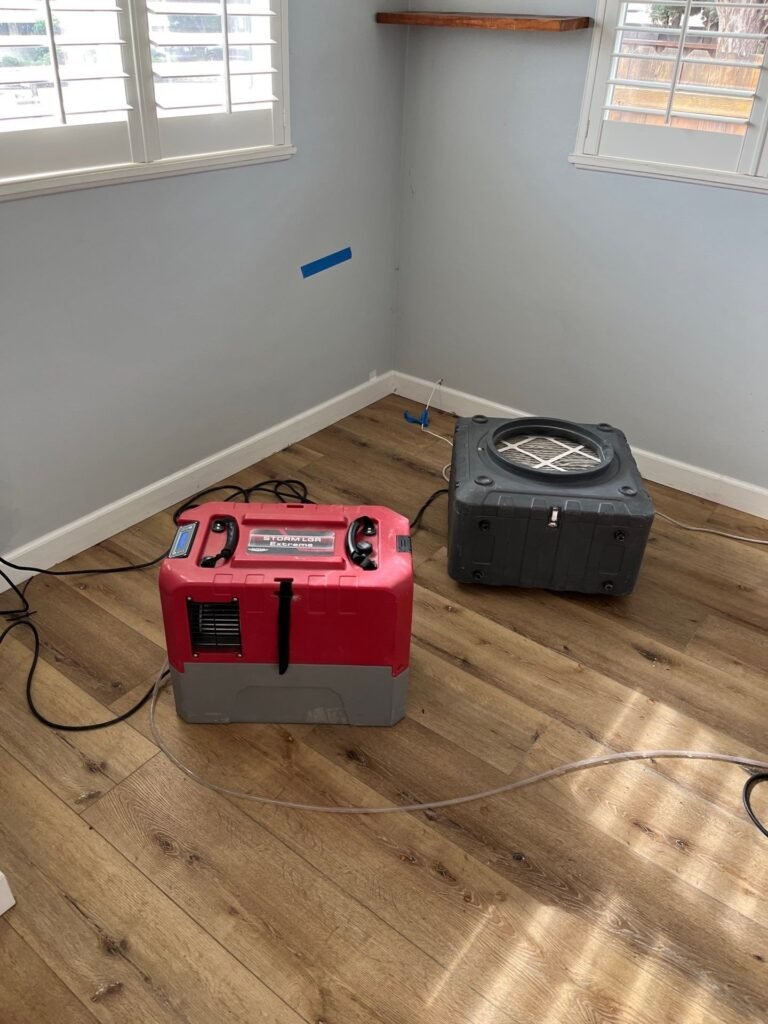
SOS Restoration of Ventura County works both halves of a loss in Simi Valley. From the Arroyo to the Sandy scar. We dry the house and put it back. English and Spanish, the visit free. Any hour: (805) 427-9039.
from the coast to the backcountry of Ventura County
CSLB #1131134
IICRC #70194273
Water heater let go. What now?
This is postwar tract country on slab, and that decides how most of these losses behave.
Close the heater valve, then the main, and call before you lift boxes.
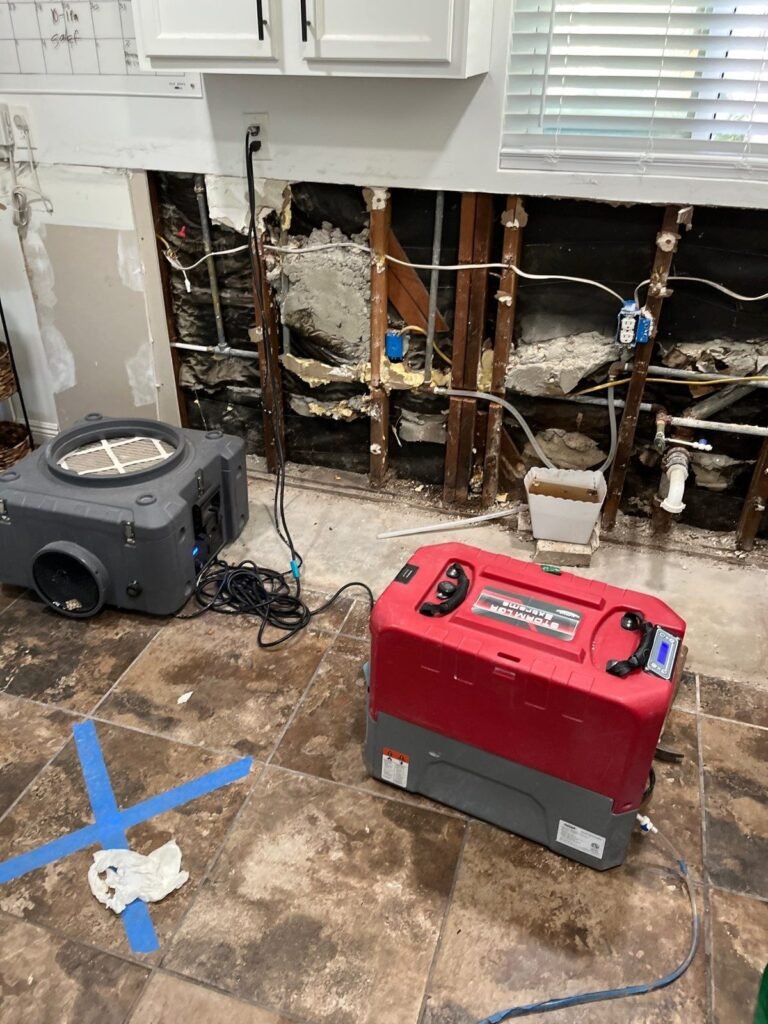
A fifty-gallon tank crosses a slab in minutes and keeps traveling under the bottom plate. The garage looks like the whole story while the bedroom behind that wall ends up open. Four Simi homes in five sit on slab.
What repairs skip the permit counter?
Simi Valley names the exempt jobs instead of measuring them.
Its code carries no square-footage allowance for drywall. A free-repair threshold quoted to you is a rule this city never wrote. The ten-square-yard figure online exists in no code in this county. Paint is exempt; drywall is not.
My house is from 1965. Popcorn asbestos?
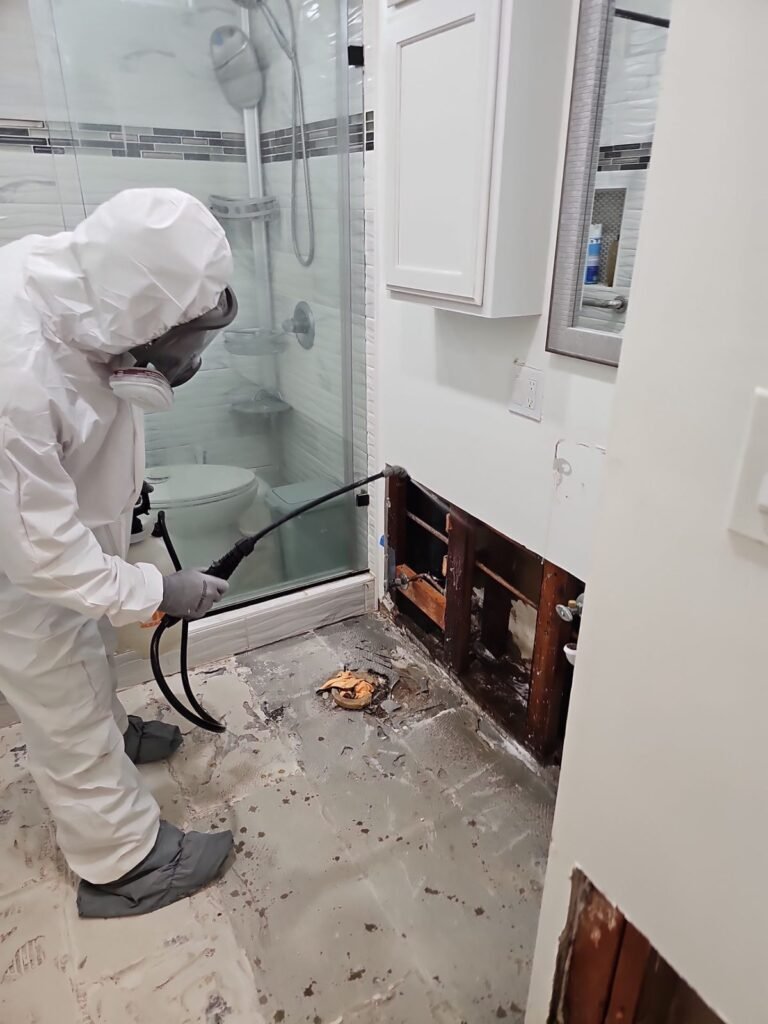
Work as though it is, until a lab report says different.
Simi Valley put up 11,255 homes between 1960 and 1969, a quarter of everything standing. Of its 45,290 homes, 22,504 predate 1980. The exposure is postwar building: sprayed ceilings, joint compound, floor mastic. The sample comes first.
Who is my water company here?
It depends on your street: two providers inside one city.
About 60 percent of Simi Valley is served by Ventura County Waterworks District No. 8, which the city runs itself and whose board is the City Council. The other 40 percent belongs to Golden State Water Company, a private utility.
Which jobs come to a Simi Valley house?
All six, and on these slabs water and mold come as a pair.
Coast or backcountry, we come ready for it
Water damage
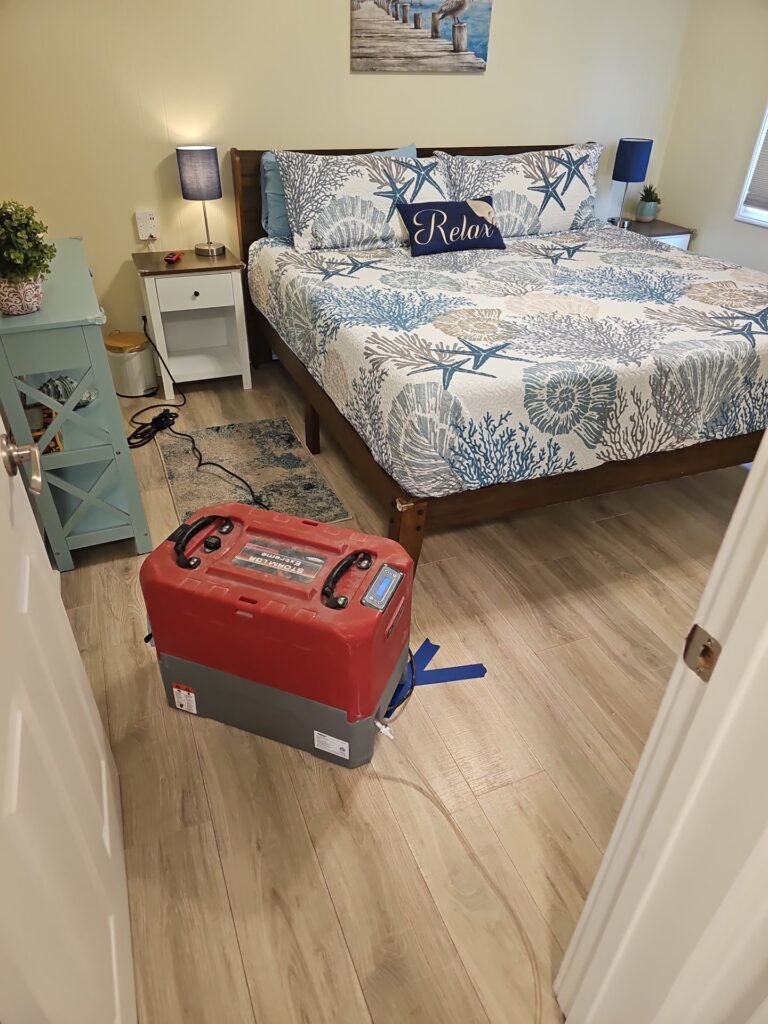
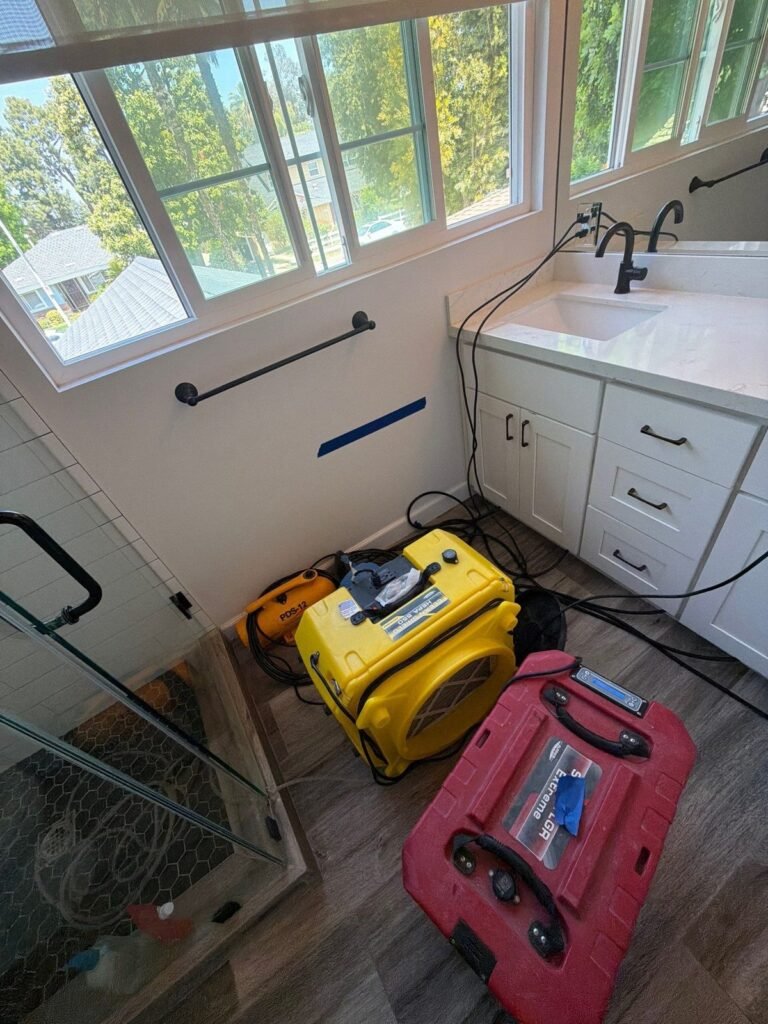
Slab-line water traced under the plate, extracted and dried.
A 2024 map revision lifted 1,903 Simi Valley properties and 439 acres out of the special flood hazard area. That is close to a fifth of it. It put 53 properties in. The old maps had gone thirty years without an update.
What takes the Sandy smoke smell out?
Removal does. Smoke odor is particles, not a mood, and fragrance only hides it.
The Sandy Fire started off Sandy Avenue in 2026, burned 2,183 acres, and was contained in nine days. One structure was lost, two damaged. Almost every call came from a house that never caught: soot and odor work.
It will rain on the scar. What gets in?
Mud, and less rain than you would think.
The USGS read the Sandy scar in 2026. A third of an inch of rain in fifteen minutes is about a coin flip for a debris flow.
The scar covers 3.4 square miles and faces its first wet season this winter. Our storm crew takes the debris flow.
What do you send elsewhere?
A slab leak still running wants a plumber and a leak detector first.
They find it and stop it. We start after, on the wet already under the floor. The other way round means drying a house that is still quietly filling.
What happens after you leave?
Dry is a milestone, not the end of our part.
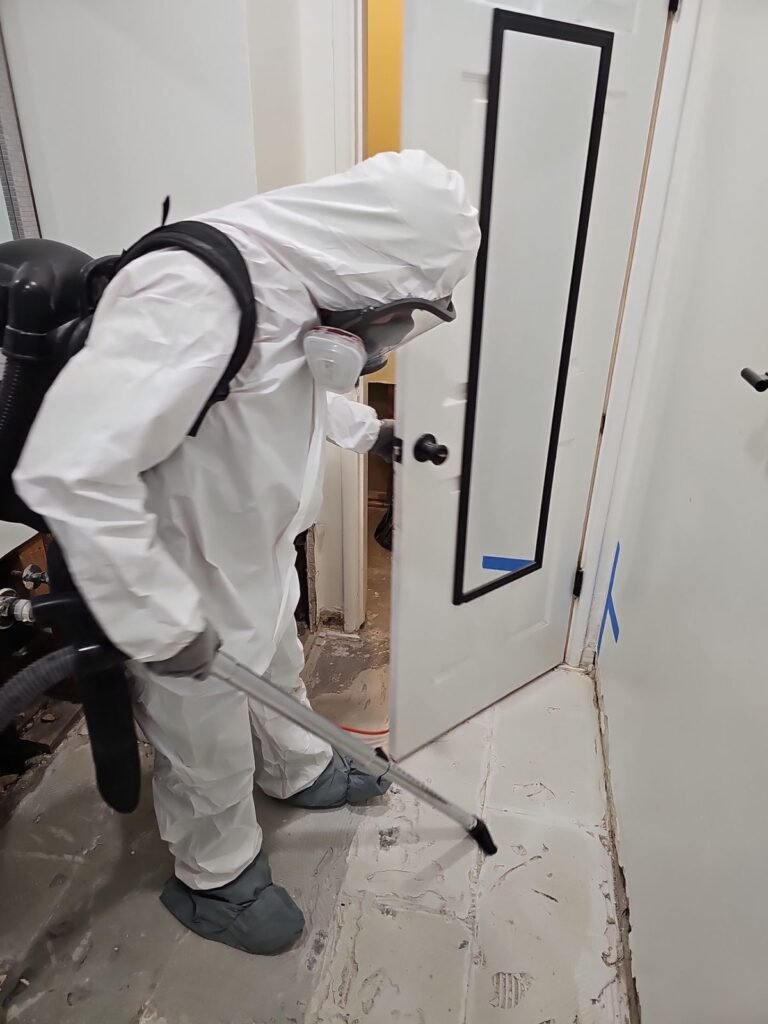
The crew that hauled the wet material out comes back to frame, board, paint and reset the floor. That rebuild is one written total, agreed before demolition, because state law will not sell it by the hour. Ask the dispatcher what is left.
Where our crews go
Its own valley in the northeast corner, hot and dry, with the Arroyo Simi running through the middle of it and hills on both sides that burn.