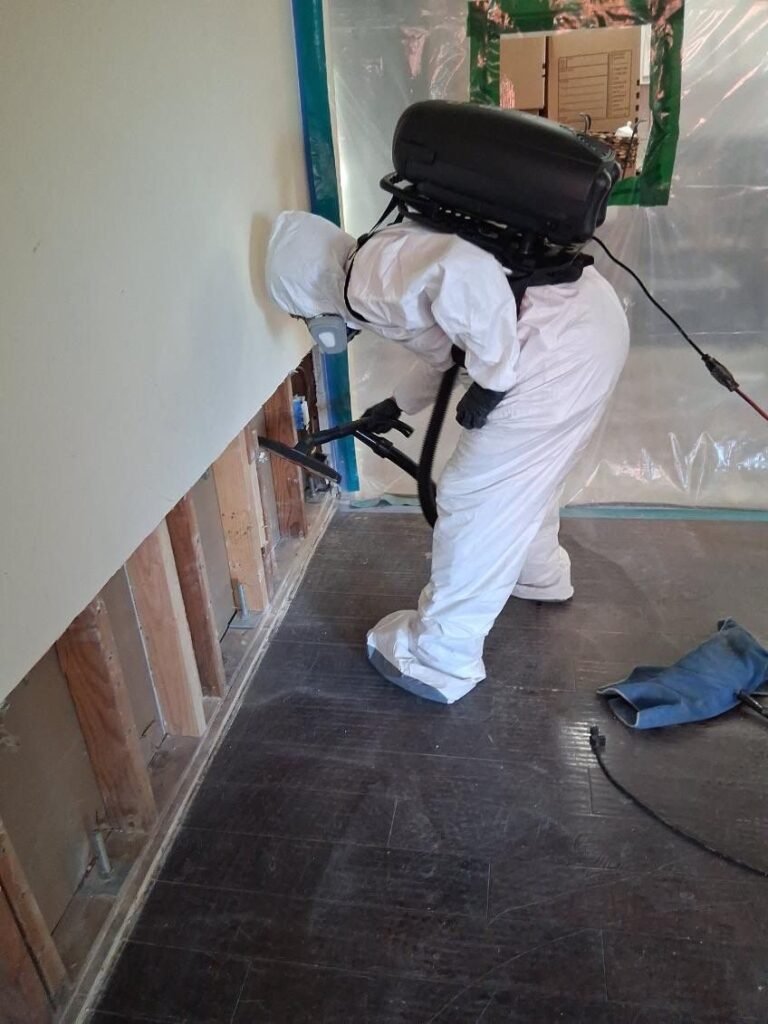
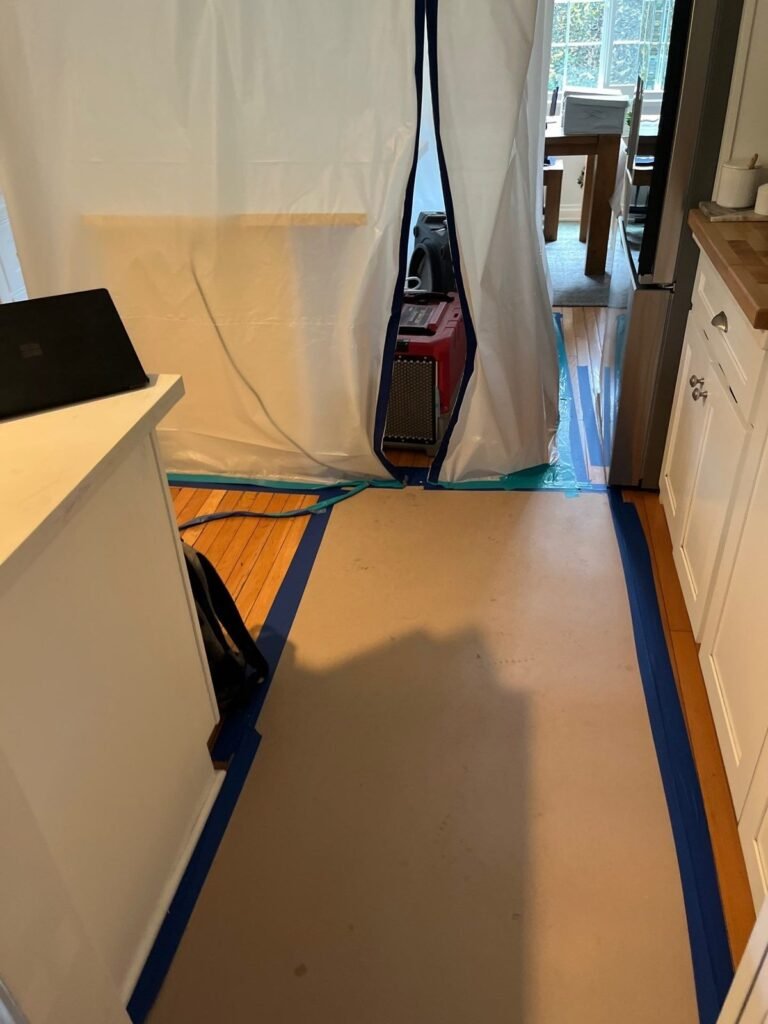
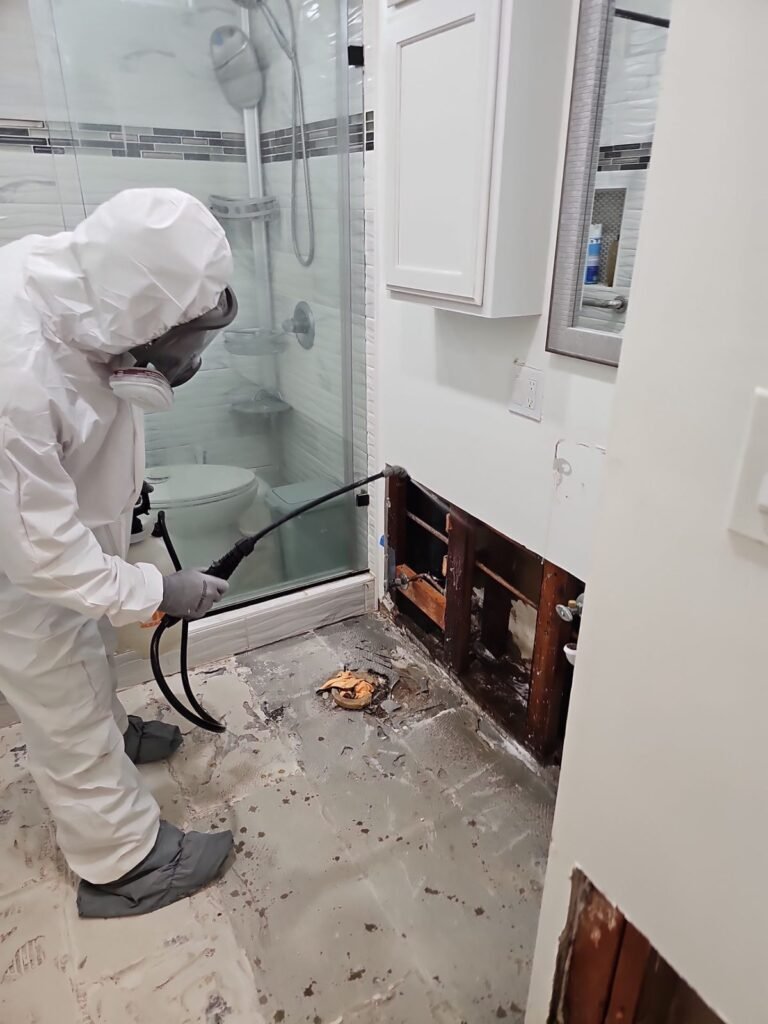
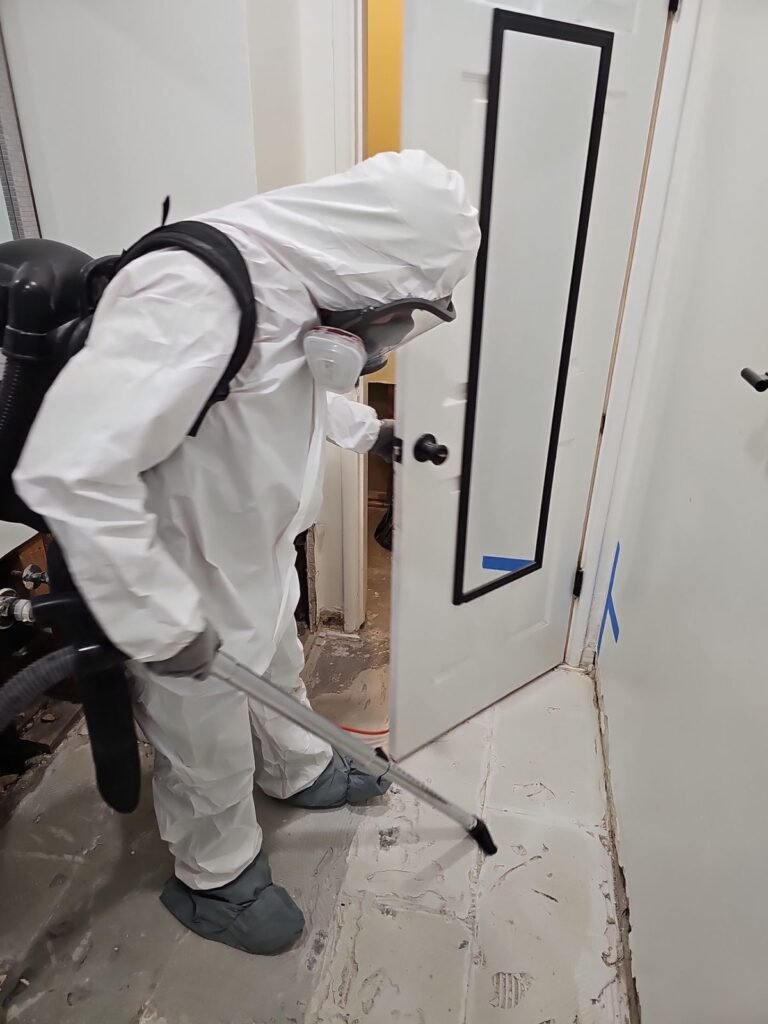
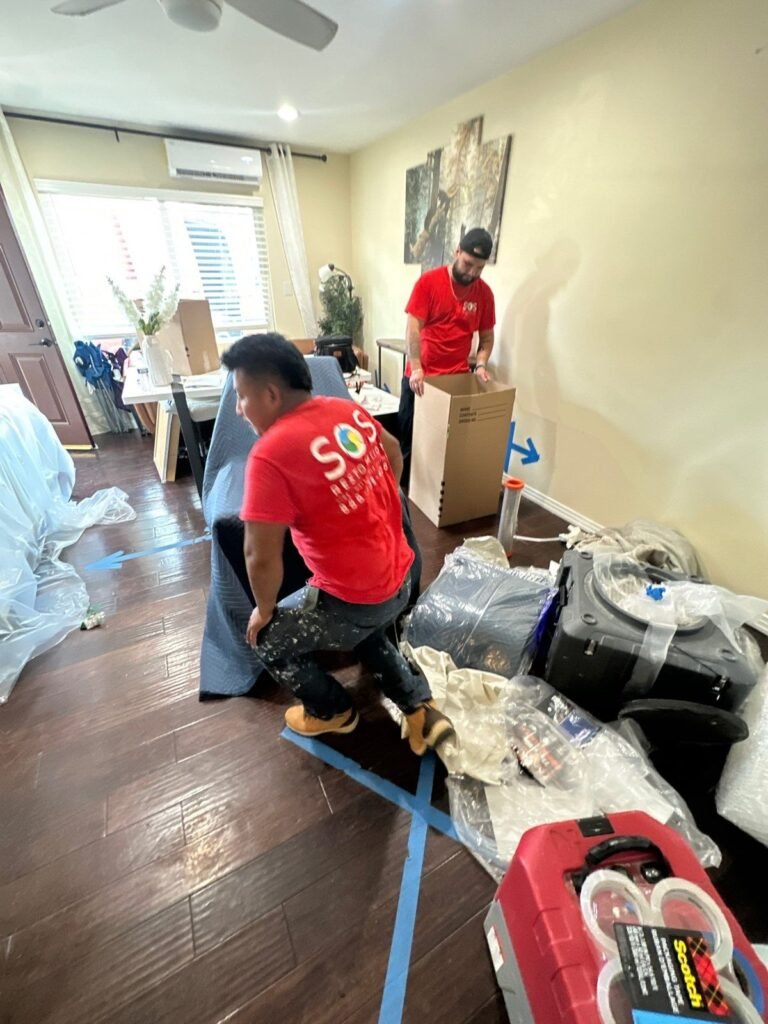
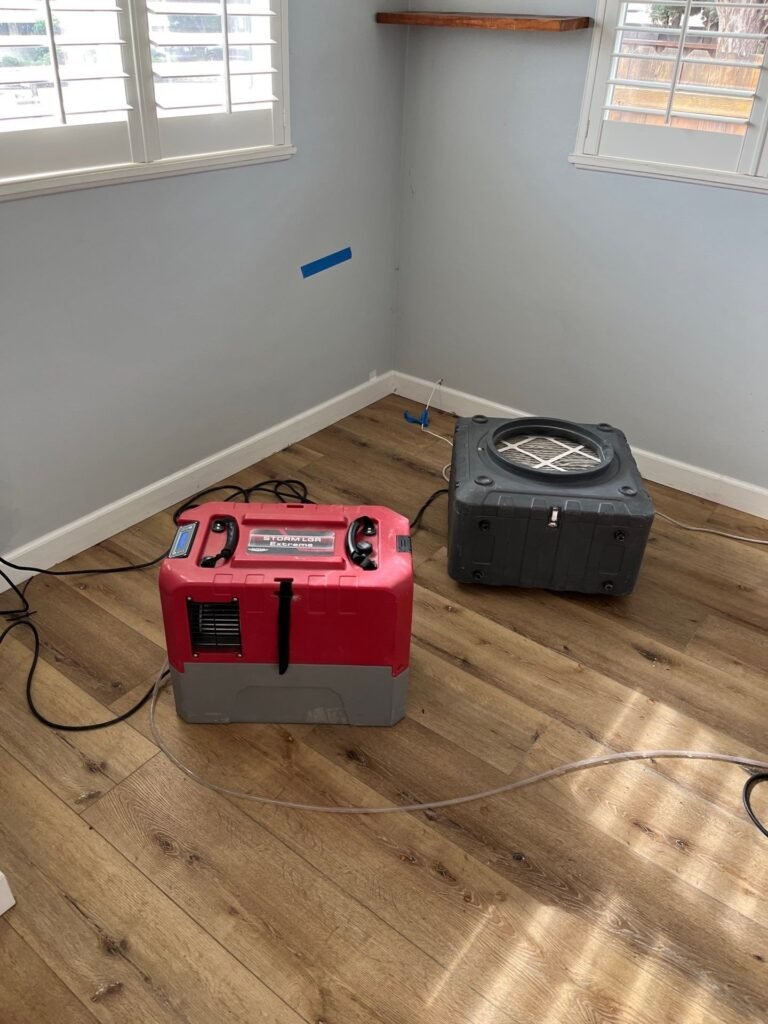
Fillmore water and fire damage restoration behind the levee
SOS Restoration of Ventura County works Fillmore, up the river valley in the orchards. We take the water out and put the house back, English or Spanish. The meter reading is free, and you can call at any hour: (805) 427-9039.
from the coast to the backcountry of Ventura County
CSLB #1131134
IICRC #70194273
A line broke. City, plumber, or you?
Fillmore runs its own water and carries a fire rule no other city here has.
Whoever can stop the water first, and then us.
Stopping the water and repairing what it soaked are two trades. the city’s water is entirely its own: three wells along the Sespe, public system 5610002, not one gallon bought from anybody. We take the second half.
Behind the levee: in the flood zone or not?
Both, and the levee is why that is not a contradiction.
Behind a levee is not the same as out of the floodplain. Roughly 39 percent of the city’s 2,115 acres carries the Zone X label that reads “reduced flood risk due to levee”. Another 18.8 percent sits in Zone A.
How do I know if this house has asbestos?
A sample goes to a lab before the wall opens, never after.
Nothing comes out of a wall this old until that sample comes back. Fillmore has put the odds in writing. Its housing element, signed off by the state, counts 69.5 percent of homes built before 1979.
A patch small enough to skip a permit?
No. Fillmore publishes no drywall threshold at all.
Small patch or whole room, no square footage is exempt. The application, the owner-builder advisement and the fee sheets carry no exemption list. What Fillmore publishes is the opposite: contact Building and Safety before proceeding.
Dried weeks ago. Why the damp crawl space?
Because the ground under Fillmore hands the moisture back.
The state has described why. The Fillmore subbasin, number 4-004.05, is pinched between rock at either end, which pushes groundwater up toward the surface. It fills to capacity in wet years; in 1999 it was estimated at 95 percent full.
What do you bring to a job here?
All six, and the ground and the code both change the order.
Coast or backcountry, we come ready for it
Water damage
Its own three wells run the town; the water still floods.
We do, and here that call comes far more often than nearby.
Mobile homes make up 9.7 percent of the housing, 508 units of 5,259, better than double the county share. The floor rides on steel beams over loose fiber and a belly wrap. That assembly holds water out of sight.
The smell came back. What is different here?
An official damage inspection, before anybody scopes the rebuild.
Fillmore carries a code section no other city here carries. Local Section 109.7 calls for a damage inspection after any fire that harmed structural, plumbing, electrical or mechanical systems. So a fire loss opens with the building being read.
What do you refuse here?
Well pumps and pressure tanks are not ours: that is a well contractor’s yard.
Fillmore runs on its own wells, and the hardware between the casing and the house belongs to that trade. We start where the water reaches something that soaks and keeps it.
Once the wall is closed, what stays ours?
The room is ours. Three things are not.
Drying under IICRC #70194273, the rebuild under CSLB #1131134, so one company cuts and closes. What we cannot do is sign off: in Fillmore the inspection belongs to Bureau Veritas under contract to the city. Ask the dispatcher the rest.
Where our crews go
Further up the same river valley, surrounded by orchards. Its building code carries a fire damage inspection rule that none of the other nine cities has written down.