
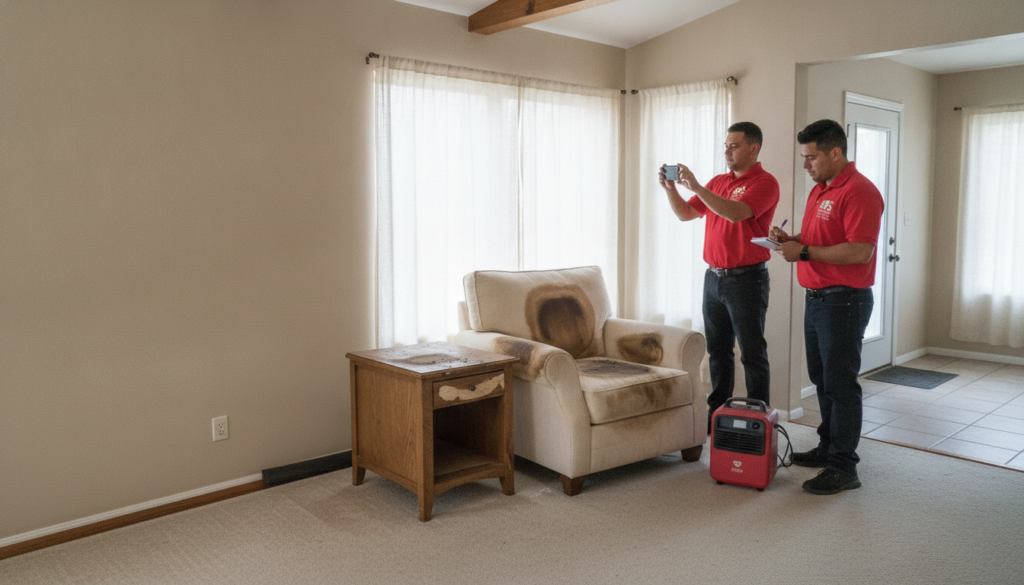
- ✓ Open 24 hours, 7 days a week
- ✓ Serving Ventura County, Oxnard, Ventura and 9 more areas
When you are concerned about damage to your belongings, the first useful question is simple: What is different from the last time you saw them?
Before deciding that an item needs cleaning, restoration, or replacement, make a clear record of what you can actually observe. Separate those observations from assumptions about what caused the change or whether the item can be recovered.
SOS Restoration of Ventura County offers contents cleaning and restoration. This guide helps you prepare an initial description of your concerns. It is an observation checklist—not a diagnosis, a cleaning procedure, or a promise that a particular item can be restored.
Start With the Belongings, Not Just the Room
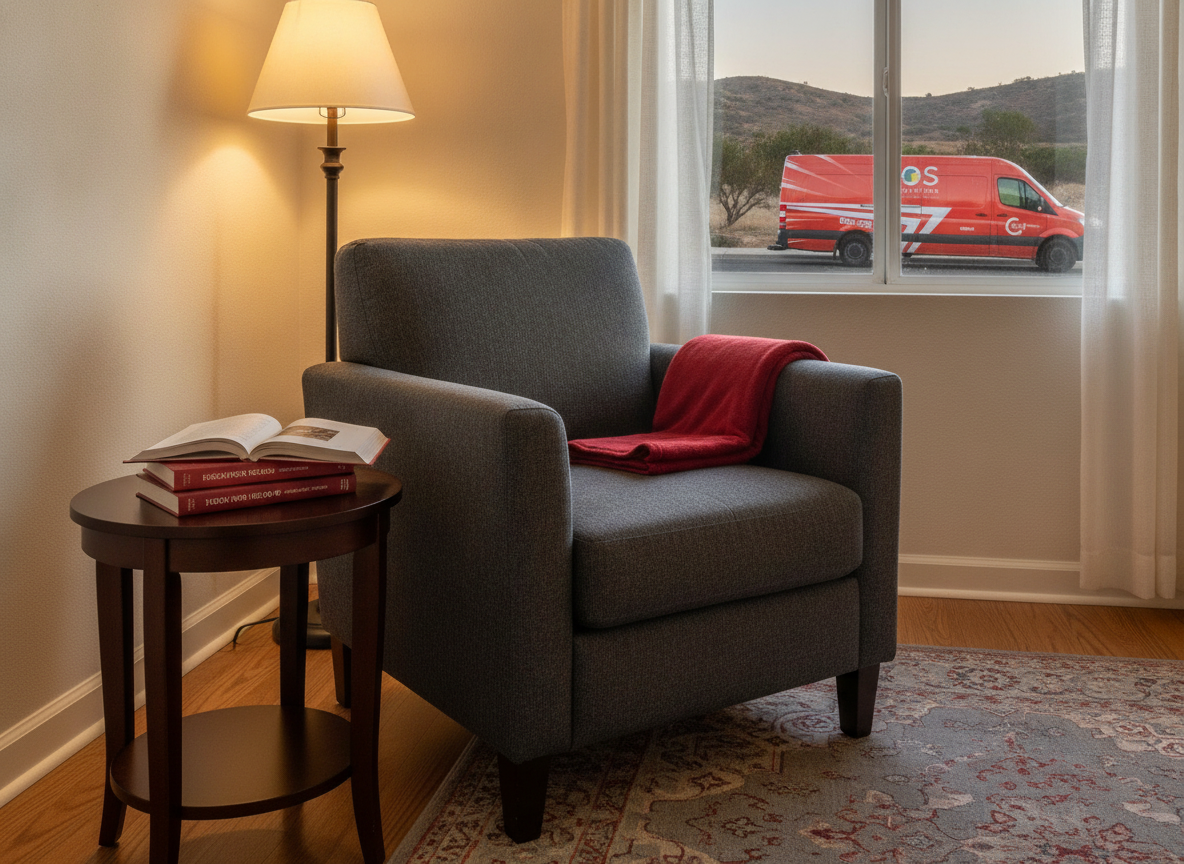
When asking about contents cleaning and restoration, describe the belongings you are concerned about rather than only the condition of the surrounding property.
For example, “There is damage in the spare room” leaves several questions unanswered. A more specific account would identify the objects, describe the visible change, and explain when you noticed it.
Without moving or handling an item solely to complete this checklist, consider:
- Which belongings concern you?
- What looks different from their previous condition?
- Is the change limited to one item, or have you noticed it on several?
- When did you first notice it?
- Do you have an earlier photograph or another record of the item’s condition?
If you do not know an answer, record it as unknown. You do not need to supply a cause in order to describe a concern.
An Early-Observation Checklist
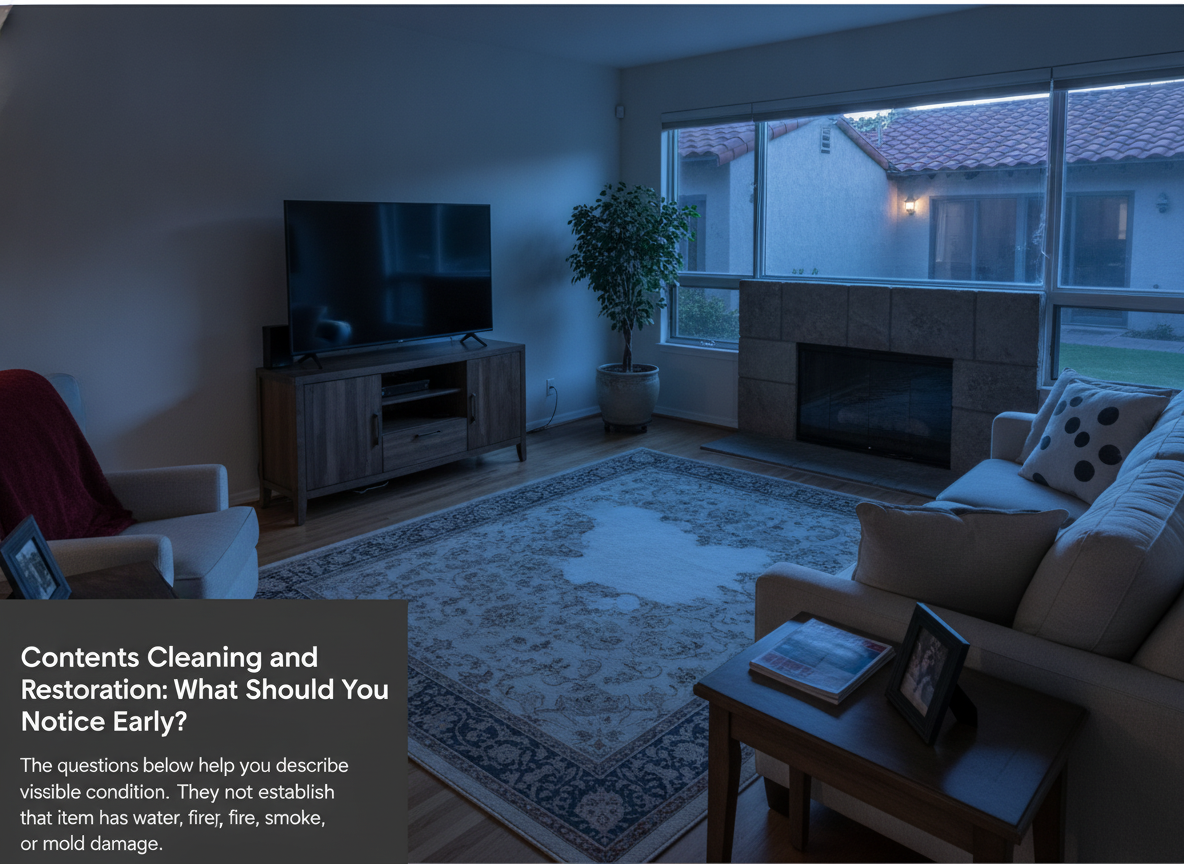
The questions below help you describe a visible condition. They do not establish that an item has water, fire, smoke, or mold damage.
1. Has the surface appearance changed?
Look at what is already visible. Are there marks, patches, discoloration, or deposits that you do not remember seeing before?
Describe the appearance rather than assigning a cause. For example:
“There is a dark patch on the lower corner that I first noticed this morning.”
That statement records the location, appearance, and time of discovery. It does not claim that the patch is mold, soot, or another substance.
2. Is there visible moisture or wetness?
If you can already see moisture on or around a belonging, note where it appears. Is it on the item itself, its packaging, or the surrounding surface?
Keep the distinction clear:
“The outside of the storage box looks wet. I have not checked the contents.”
Avoid turning an observation about a container into an assumption about everything inside it. This guide does not provide instructions for opening, moving, or handling potentially affected contents.
3. Is there unfamiliar residue?
Have you noticed a film, coating, dust-like deposit, or other material on a belonging?
Describe only what you can see. Include its apparent color, location, and extent, without naming a substance you have not identified.
A useful description might be:
“Several items on the same shelf have a gray deposit on their exposed surfaces.”
Do not use this checklist as a reason to touch, scrape, brush, or test an unfamiliar material.
4. Have you noticed an unfamiliar odor?
If an odor has already caught your attention, record where you noticed it and when. Do not deliberately smell an item to investigate it.
Distinguish between an odor noticed in a room and one you believe is associated with a particular object. If you cannot tell, say so:
“I noticed an unfamiliar odor in the room, but I cannot identify which item it comes from.”
An odor description alone is not a diagnosis. The information available for this guide does not establish odor-based criteria for deciding what treatment an item needs.
5. Has the item’s visible shape or condition changed?
Has an object, cover, container, or surface visibly changed compared with its earlier condition? If so, describe the difference without testing the item or taking it apart.
For example:
“The cover no longer looks flat compared with an older photograph.”
If the previous condition is uncertain, include that uncertainty. “I do not know whether this was present before” is more precise than guessing.
Record Changes Without Assuming the Problem Is Growing
To answer “Is this getting worse?” you need a comparison, not just a first impression.
If you already have observations from different times, keep them separate. Record:
- The date and approximate time of each observation.
- The item and the specific area you observed.
- What was visible on each occasion.
- Whether the difference is clear or uncertain.
For example, “I first noticed a mark on Monday” is different from “The mark appears larger than it did in Monday’s photograph.” Neither statement establishes the cause, but each describes a different concern.
This guide does not establish a waiting period or a deadline for treatment. If you are concerned, contact the business rather than relying on an assumed timetable.
Prepare a Clear Contents Inquiry
Before contacting SOS Restoration of Ventura County, gather whatever information you already have. You do not need to complete every field or inspect inaccessible belongings.
A simple inquiry can follow this format:
Belongings involved: Identify the items you are concerned about.
Observed condition: Describe visible changes or an odor you have already noticed.
First noticed: Give the date if known; otherwise, say it is uncertain.
Comparison available: Mention any earlier photographs or condition records.
Changes observed: Explain whether you have noticed a difference since the first observation.
Questions: Ask whether the business can address those particular items and what information it needs next.
Also ask about any proposed handling, cleaning, or restoration approach before treating this article as instructions. Item-specific methods, acceptance criteria, prices, completion times, and recovery outcomes are not confirmed here.
Ask About Contents Cleaning and Restoration
SOS Restoration of Ventura County provides contents cleaning and restoration and serves Ventura County, including Oxnard, Ventura, Camarillo, Thousand Oaks, Simi Valley, and other confirmed service-area communities.
The business is open 24 hours a day, seven days a week. To discuss your concerns, call 805-427-9039 or email sosventuraaccs@gmail.com.
Start with what you have noticed. Ask what additional information is needed before making decisions about the belongings involved.
Frequently Asked Questions
Does a mark or odor prove that an item needs restoration?
This guide does not establish diagnostic criteria. Describe the observation and ask about the particular item rather than treating its appearance or odor as a confirmed diagnosis.
Can every affected belonging be restored?
A recovery guarantee is not provided in the confirmed information. Ask about your specific belongings; do not assume that every item is eligible for treatment or recoverable.
Should I clean the item before contacting the business?
No item-specific cleaning or handling instructions are confirmed here. Do not treat this guide as authorization to apply a product or cleaning method. Ask what steps, if any, are appropriate for the item and its condition.
What if I do not know when the change started?
State when you first noticed it and make clear that the actual start time is unknown. Keep discovery time separate from assumptions about when the condition developed.
How can I contact SOS Restoration of Ventura County?
Call 805-427-9039 or email sosventuraaccs@gmail.com. The business’s confirmed hours are 24 hours a day, seven days a week.
Areas we serve
- ● Ventura County
- ● Oxnard
- ● Ventura
- ● Camarillo
- ● Thousand Oaks
- ● Simi Valley
- ● Fillmore
- ● Moorpark
- ● Ojai
- ● Port Hueneme
- ● San Buenaventura (Ventura)
- ● Santa Paula