
When water has soaked into your property, drying the surface may not address moisture held inside building materials.
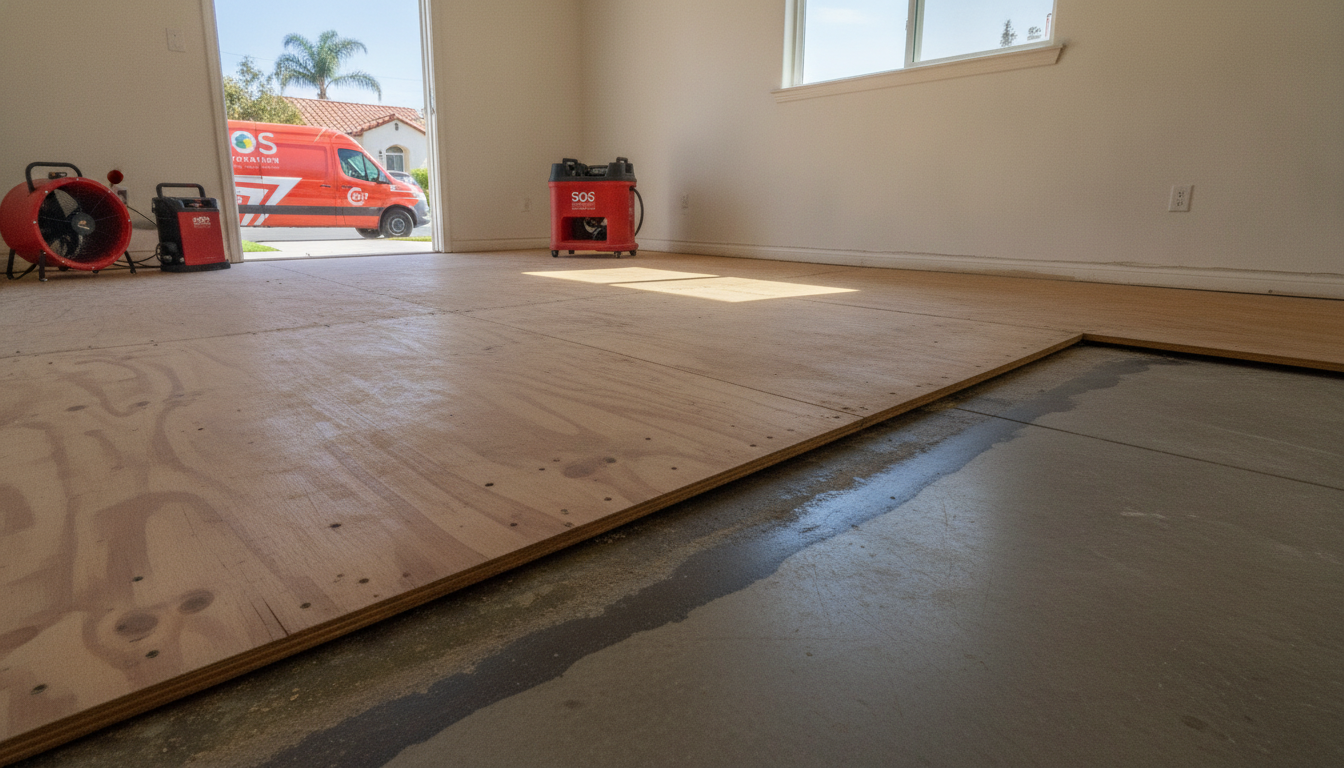
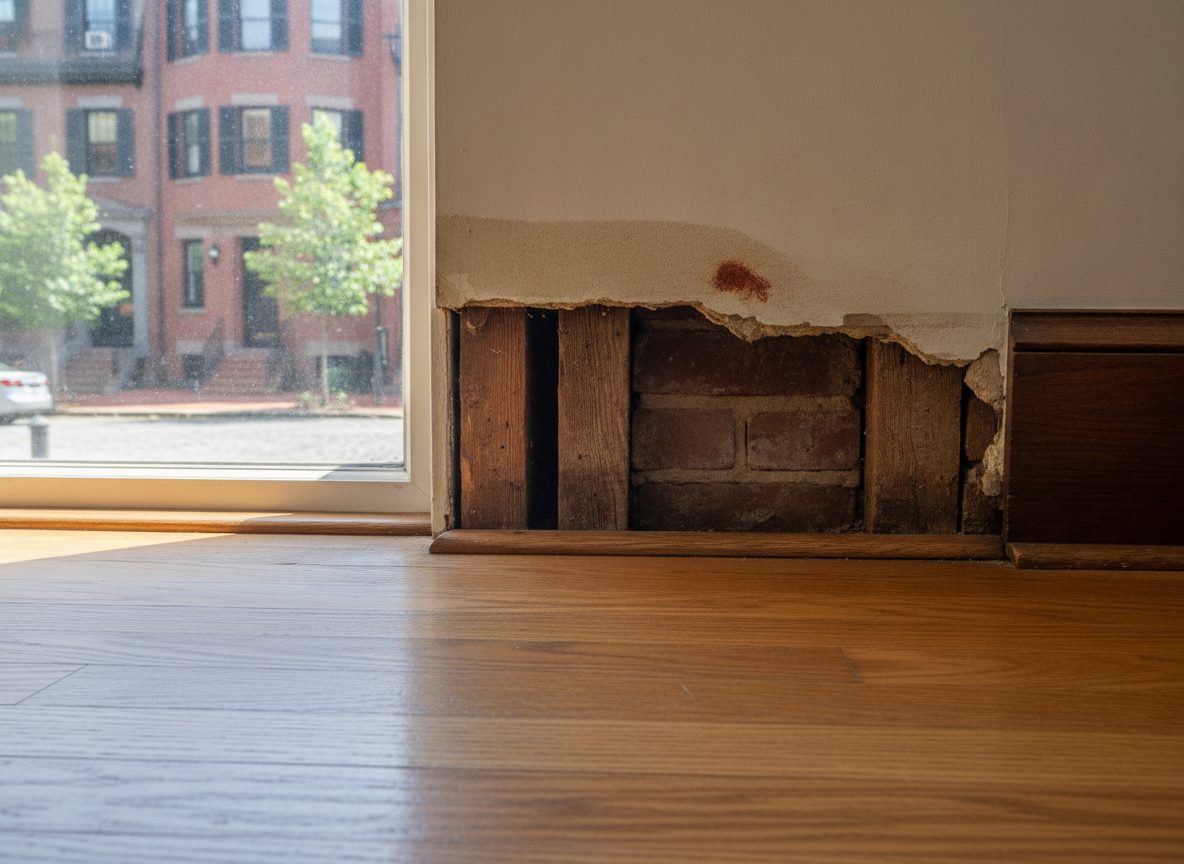
A floor can look dry while nearby materials still hold moisture. Structural drying focuses on moisture within the building itself, rather than just the water you can see or wipe away. Depending on where water has traveled, that can mean attention to flooring, walls, framing, or other affected materials.
The goal is not simply to make a room feel less damp. It is to address retained moisture so decisions about the affected structure are based on its condition, not just its appearance. A surface that feels dry to the touch does not necessarily tell the whole story.
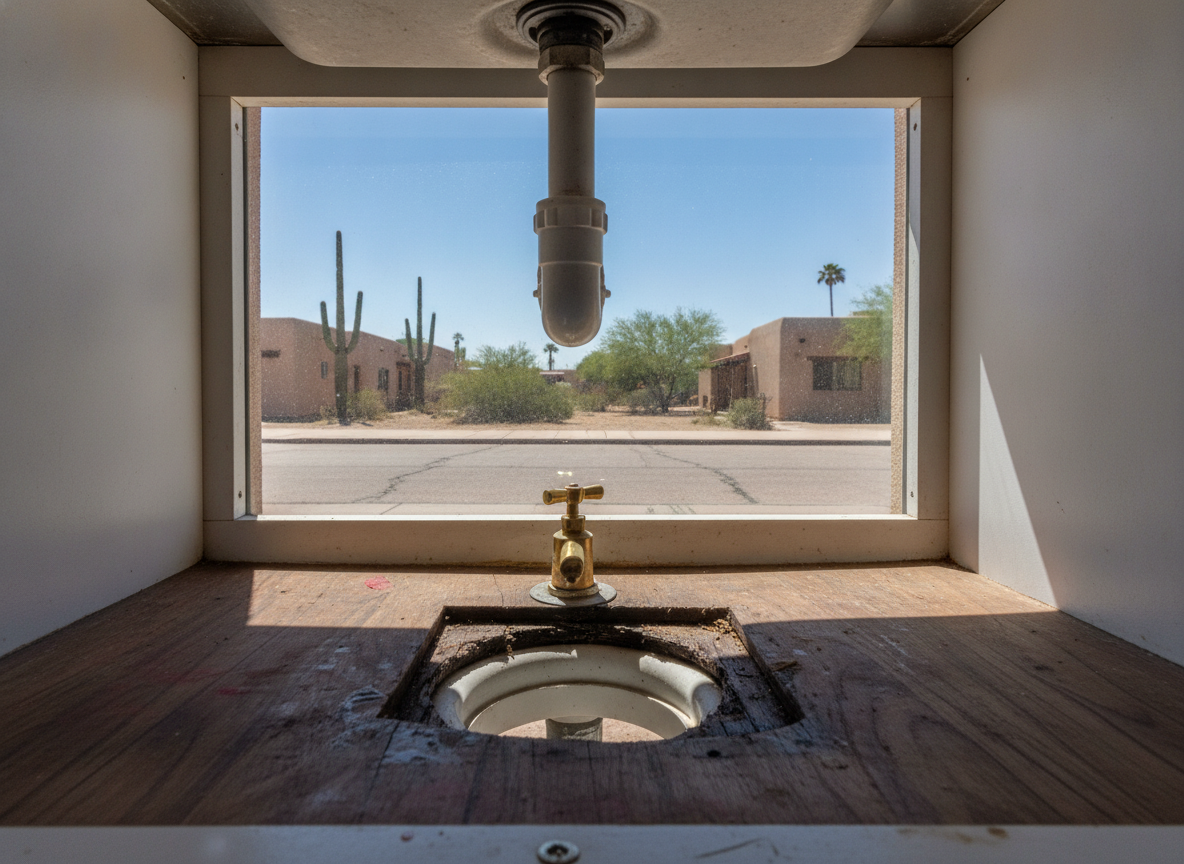
Structural drying may be relevant after water has soaked into building materials, especially when dampness persists after visible water is gone. How far the moisture has spread and how long materials have been wet can affect what work is appropriate.
You do not need to decide for yourself whether every affected material can be dried. When you contact a restoration business, explain where the water appeared, whether its source has stopped, and what still looks or feels damp. Those details help frame the conversation without requiring you to diagnose hidden conditions.
Different materials hold and release moisture differently. Their thickness, construction, and exposure to moving air can influence drying. Conditions around them matter too: humid air can make it harder for moisture to leave a wet material.
In general, structural drying involves managing moisture movement and the surrounding drying conditions. Air movement, humidity control, and moisture measurements can all play a role. The appropriate approach depends on the property; a description of structural drying is not a fixed equipment plan for every job.
A useful question before proceeding is how drying progress will be assessed. Elapsed time alone cannot establish the condition of every affected material. Moisture readings and observations can help distinguish improvement from an area that still needs attention.
It is also important to separate drying from decisions about damaged materials. Not everything affected by water is necessarily suitable to remain in place. Ask what conditions could change the scope of work and what would need to happen before the next stage of restoration.
SOS Restoration Of Ventura County provides structural drying for residential and commercial restoration needs. The business has a recorded rating of 5 from 55 reviews.
When discussing your property, keep the conversation focused on the affected areas, the proposed scope, and how progress will be evaluated. Understanding those points can help you make a more informed decision about the work.
Possibly. Visible dryness does not establish whether moisture remains within or beneath affected materials. Describe the original water exposure and any ongoing dampness when you get in touch.
There is no single duration that applies to every property. The materials involved, extent of moisture, and drying conditions can affect the time needed. Ask for guidance specific to your situation.
Not necessarily. A material’s condition and the circumstances of the water exposure can affect whether drying it is appropriate. Ask which materials are being considered for drying and what could change that decision.
Cost depends on the scope of the work. Request pricing for your property and clarify what the proposed work includes before proceeding.
Contact SOS Restoration Of Ventura County to discuss the water-affected areas of your property and ask about structural drying. Call 805-427-9039 or use the contact form to start the conversation.