
After a disaster, clearing visible damage is only part of getting your property ready for recovery.
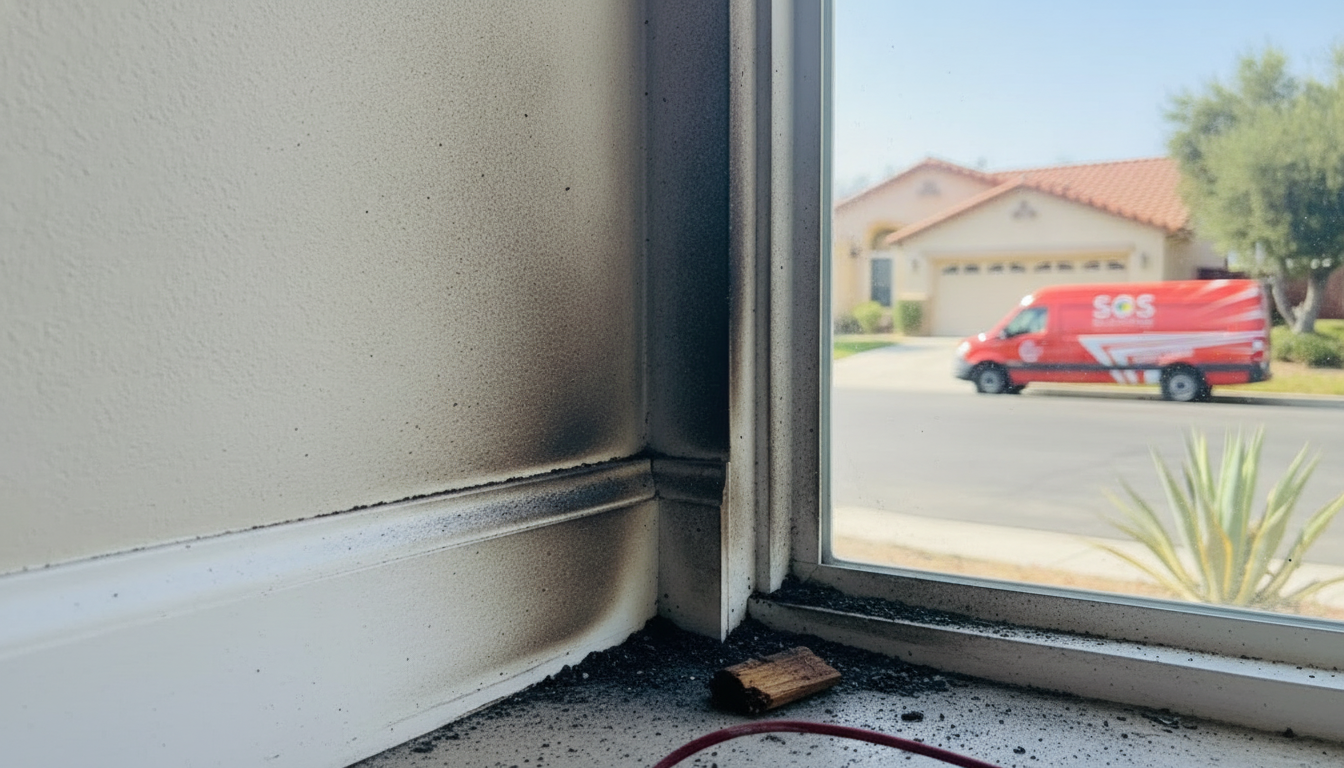
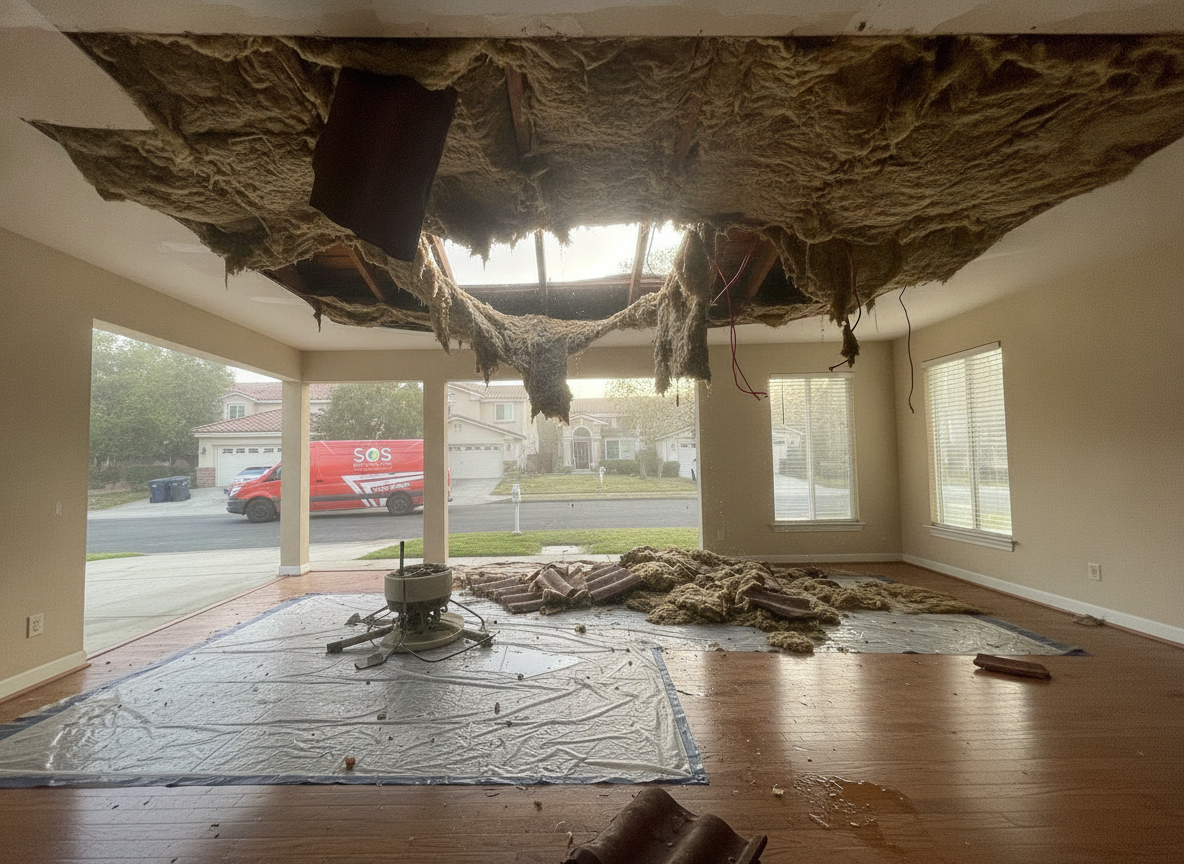
A flooded room, smoke-affected interior, and storm-damaged property present different cleanup needs. The right starting point depends on what entered the building, which materials were affected, and whether conditions are safe enough for work to begin.
Disaster cleanup addresses the aftermath rather than simply making a space look tidier. Water can remain inside absorbent materials, soot can settle beyond the most visibly damaged area, and debris can conceal damage underneath. Understanding those differences helps define the work instead of treating every affected surface the same way.
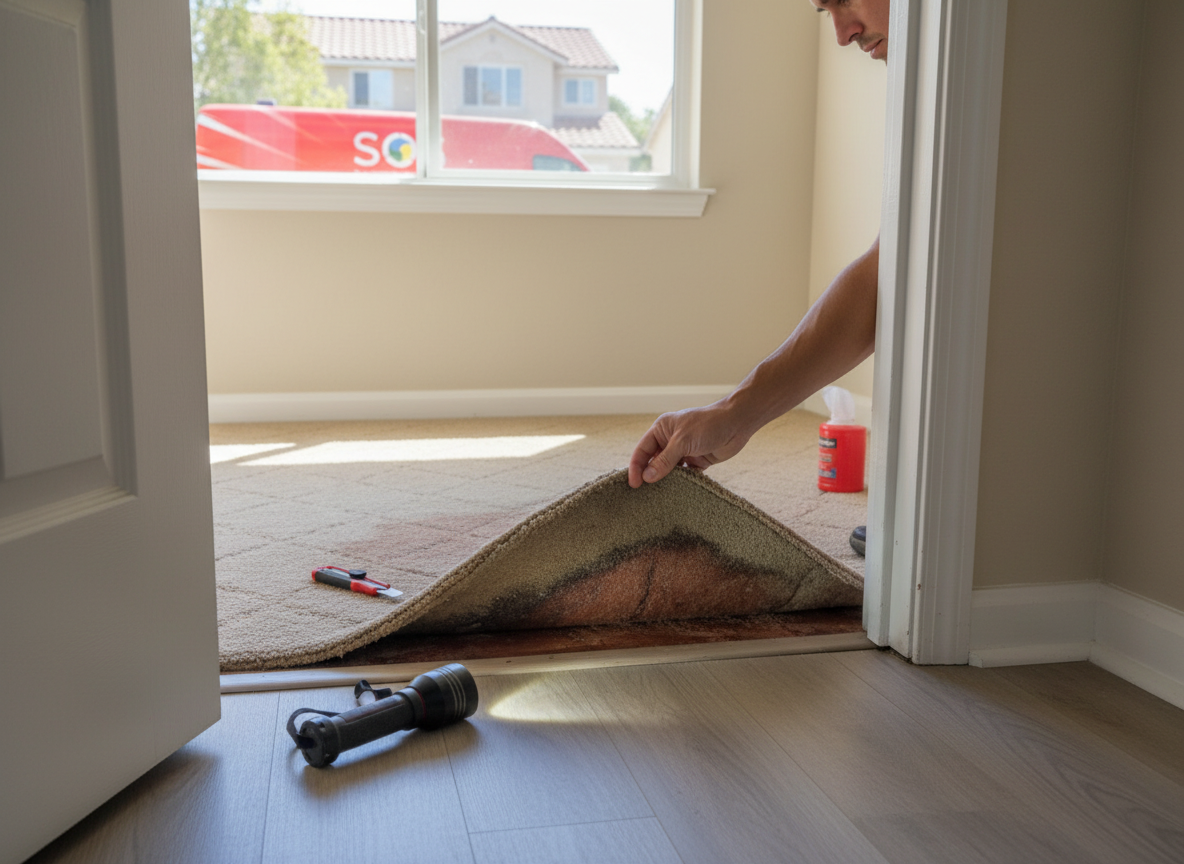
You may need disaster cleanup when an event leaves standing water, scattered debris, soot, persistent odors, or materials affected by contamination. Damage across several rooms—or involving more than one type of residue—can be difficult to address with ordinary household cleaning.
The size of a visible stain or debris pile does not necessarily reflect the amount of work involved. What matters also includes the materials affected, how accessible those areas are, and whether moisture or residue has spread beyond the immediate source. A useful conversation about cleanup starts with those conditions, not just the size of the room.
Cleanup generally focuses on removing the effects of the event and preparing affected areas for whatever comes next. Depending on the damage, that can mean dealing with debris, moisture, residues, odors, or affected belongings. Not every property needs every kind of work.
It also helps to distinguish cleanup from repair. A cleared area may still have damaged finishes or building materials that need attention. When discussing the job, ask which tasks belong to cleanup, which belong to later repairs, and how the proposed scope separates them. That distinction makes it easier to understand what completion means.
Disaster cleanup can be relevant to homeowners facing damage in living spaces and businesses dealing with affected premises or contents. In either setting, decisions depend on the condition of the property and the materials involved—not simply whether the building is residential or commercial.
Belongings deserve a separate conversation from walls and floors. The material, extent of exposure, and condition of an item can influence whether cleaning is appropriate. Before assuming everything can be kept or everything must be discarded, ask how affected contents will be considered within the cleanup scope.
SOS Restoration Of Ventura County provides disaster cleanup for residential and commercial restoration needs. Its recorded services also include water extraction, structural drying, fire and soot cleanup, contents cleaning and restoration, and rebuild and reconstruction.
The business has a 5-star rating from 55 reviews. Alongside that customer feedback, a useful basis for your decision is a clear discussion of your particular damage: what needs attention, what work you are requesting, and what questions need answering before you proceed.
Cost depends on the extent of damage, affected materials, access, and the work required. Ask for the proposed scope and pricing before authorizing work so you understand what is included.
Timing varies with the conditions and amount of work involved. Moisture, contamination, and access can affect the sequence. Ask about timing for your property rather than relying on a general estimate.
That depends on safety and the nature of the damage. Do not assume a space is safe because it looks accessible; clarify any access restrictions before returning to normal use.
Describe what happened, which areas appear affected, and any visible water, debris, soot, or odors. Mention concerns about belongings and access without entering unsafe areas to gather details.
Contact SOS Restoration Of Ventura County to discuss the damage at your property, ask questions about cleanup, and talk through the work you need.