
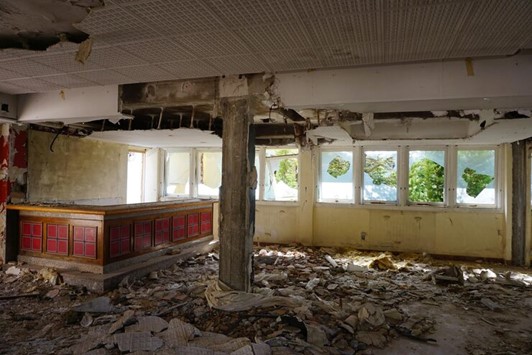
Some damage does not always manifest itself on the surface of the Los Angeles apartment and home fire incidents. Walls and ceilings Smoke, soot, and fire damage restoration los angeles can impact the air quality and structural safety. It is a blog about what property owners ought to be aware of property damage restoration Los Angeles services, what the process entails as well as how to respond immediately after a fire. You will get to know the major phases of restoration, safety priorities and the role of insurance in the coordination of the work of professional teams, which restore the properties to a safe and habitable condition.
Understanding Fire Damage in Urban Properties
The LA properties encounter special difficulties following fire. There is a high density of many homes and the apartments share the same types of ventilation and the old buildings have materials that are deep smokers.
Fire damage is not limited to burned surfaces. It includes:
- Damage caused by heat makes drywall, framing and wiring weak.
- Smoke residues that are transferred to cabinets, fabrics and HVAC systems.
- Soot that corrodes metal and stains surfaces
- Water damage from fire suppression efforts
Small fires in the kitchen may result in contamination on a large scale. The odors come back unless remedial action is undertaken and latent damage over time would be accrued.
What Fire Damage Restoration Really Involves
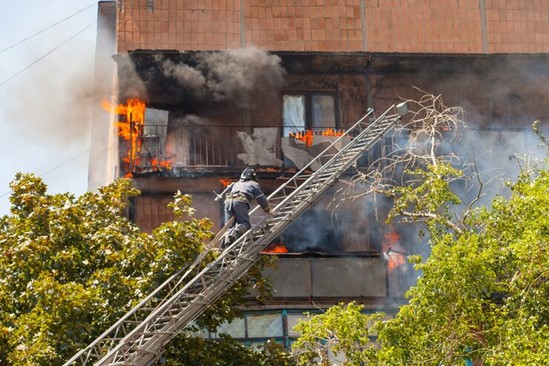
The fire damage restoration is a well-organized system, which is intended to restore a property, making it secure, clean and operational. It is not just cleaning. It involves a mixture of safety checks, cleaning up, thorough cleaning and regulated reconstruction.
Professionals follow a clear workflow:
- Secure the site and prevent further loss
- Remove debris and damaged materials.
- Clean soot and smoke residue
- Neutralize odors at the source.
- Dry and treat water-affected areas
- Repair and rebuild affected spaces
Each step is documented for insurance and safety records. Skipping steps often leads to long-term issues like mold, corrosion, and a persistent smoke smell.
Immediate Steps After a Fire
The 24-48 hours after a fire occur are critical. Emergency response mitigates secondary damage and accelerates recovery. Once the authorities provide a clearance that it is safe, do not touch soot-covered surfaces, and take a look at the guidelines on utility disconnections. Contact the insurance company and seek a professional inspection. The smoke acids may be left to rest, causing long term stains on the walls, floors and fixtures.
Safety and Health Considerations
Key safety measures include:
- HEPA air scrubbers to remove airborne particles
- Protective equipment for technicians
- Controlled removal of contaminated materials
- Safe disposal of hazardous debris
These steps protect occupants from respiratory irritation and long-term exposure risks.
Typical Restoration Timeline
Restoration time depends on fire size, building type, and extent of damage.
- Small room fire: 3–7 days for cleaning and deodorization
- Multi-room damage: 1–3 weeks
- Structural rebuilding: several weeks
Apartments often require coordination with property managers and neighboring units. A clear plan keeps delays minimal and ensures compliance with local building codes.
Cleaning Methods Used in Professional Restoration
Technicians use specialized tools that are not available in standard cleaning.
- Dry sponge cleaning for delicate surfaces
- Wet chemical cleaning for heavy soot
- Thermal fogging to neutralize deep odors
- Ozone treatment for enclosed spaces
- Abrasive cleaning for brick and concrete
Each surface is tested first to avoid damage. This targeted approach preserves materials when possible and reduces replacement costs.
Working With Insurance Providers
Insurance coordination is a major part of restoration. Accurate documentation ensures fair claim processing.
Restoration teams typically:
- Provide detailed inspection reports
- Photograph all affected areas.
- Create itemized estimates
- Communicate directly with adjusters.
This reduces stress for property owners and prevents coverage disputes. Clear records also help landlords and HOAs manage shared spaces in apartment buildings.
Special Challenges in Los Angeles Homes and Apartments
The restoration of urban properties is different. Common walls and ventilation systems enable the smoke to travel between units in a very short time frame and the lack of equipment in a room is limited because of restricted access. Parking and zoning regulations tend to reduce reaction speed and the construction materials used in the older buildings are less prone to absorbing damage. Local experience is essential. Teams familiar with Los Angeles building types can plan faster, work within regulations, and restore properties more efficiently and safely.
When to Call a Professional Team
If you notice any of the following, professional restoration is required:
- Persistent smoke odor
- Black or gray residue on surfaces
- Warped walls or ceilings
- Electrical issues after a fire
- Water saturation from firefighting
DIY cleaning cannot remove smoke acids or treat hidden cavities. Professional response prevents long-term damage and health risks.
Benefits of Acting Quickly
Fast response after a fire prevents permanent staining, limits metal corrosion, and stops mold caused by water exposure. It also shortens the overall recovery time and reduces total repair costs. In dense living areas, quick containment helps protect neighboring units from smoke and secondary damage.
Choosing the Right Restoration Partner
Look for providers with:
- 24/7 emergency response
- IICRC certification
- Local Los Angeles experience
- Insurance claim support
- Clear timelines and reporting
A competent team is also able to communicate effectively, clarify every process and update the owner of the property.
Conclusion
The consequences of fire include structural damage, air pollution, and health and safety issues in the long term. Professional restoration process gets rid of residues which are not apparent, damages secondarily and gets properties to a habitable state. The initial inspection and the last repairs are all important. Fast response saves money, preserves health and accelerates recovery of homeowners and apartment dwellers. For fast, local support and full-service recovery, contact SOS Restoration.
FAQs
How soon should fire damage restoration begin?
Restoration should begin within 24 hours. Early action prevents soot from bonding to surfaces and stops water-related issues.
Is smoke damage dangerous even after the fire is out?
Yes. Smoke residue contains acids and fine particles that irritate lungs and damage materials over time.
Can small fires be cleaned without professionals?
Surface cleaning may help visually, but hidden smoke and odor remain. Professional treatment ensures full removal.
Does restoration include rebuilding?
Yes. Full restoration often includes repair or replacement of walls, flooring, cabinets, and structural elements.